
The journal
Make your luggage more waterproof with layers and DIY steps
A practical guide to keep luggage dry: use an outer cover, apply fabric treatments correctly, seal common leak points, and protect contents with liners and dry bags.
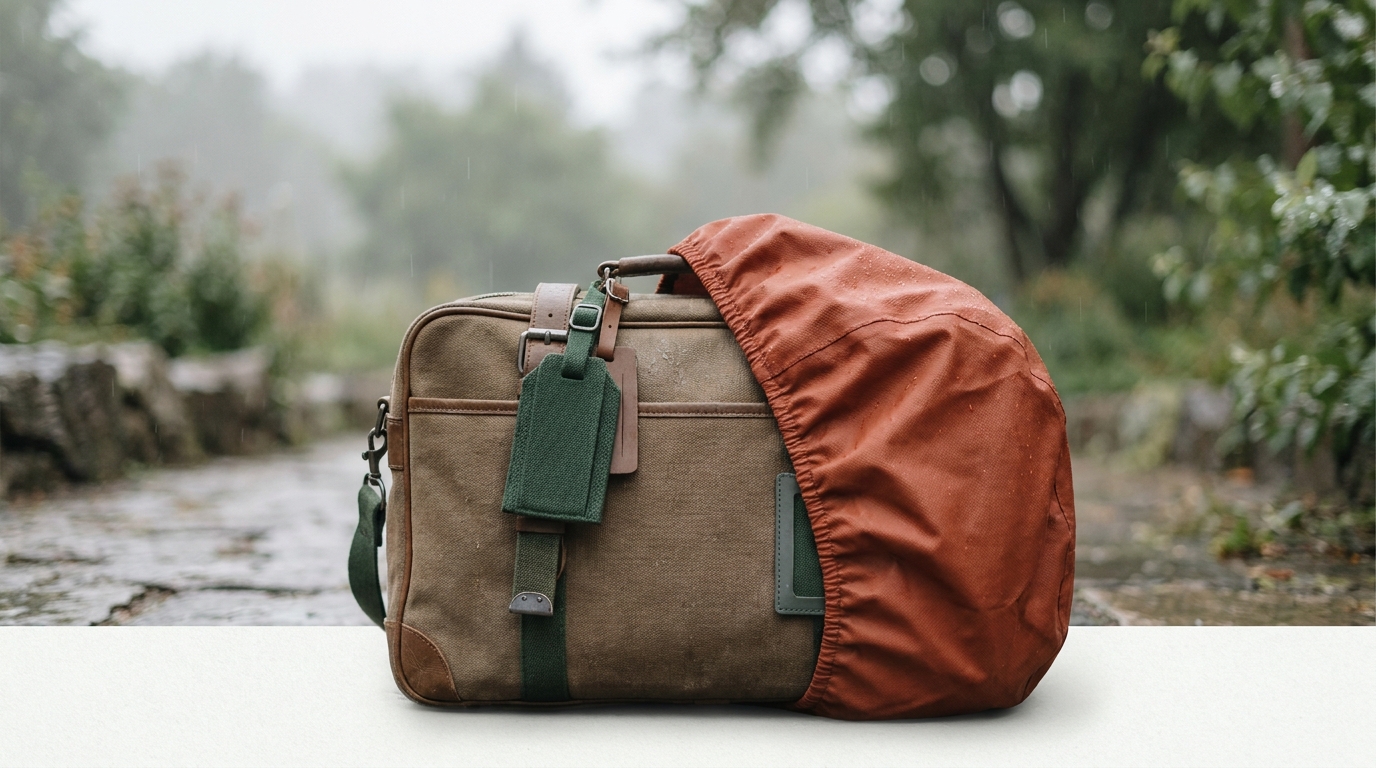
Short answer: you won’t make most luggage fully waterproof unless it was built that way with welded seams and watertight closures. The reliable approach is to layer protection: use an external cover or hard shell to shed rain, add a fabric treatment if suitable, and put critical items inside waterproof liners or dry bags. No single method is 100% in heavy, sustained rain, so combining two or more is best https://eikenshop.com/blogs/products-guide/how-to-waterproof-your-backpack?srsltid=AYCX9vI9gyG8karDwD8YCo72jO38c3EqXFlLjUrP0xZRag85ojR0D7MF.
What “waterproof” really means for luggage
Water-repellent sprays help water bead on fabric but do not seal stitched seams or zipper paths. That’s why treating the exterior alone can’t guarantee a dry interior in a downpour https://eikenshop.com/blogs/products-guide/how-to-waterproof-your-backpack?srsltid=AYCX9vI9gyG8karDwD8YCo72jO38c3EqXFlLjUrP0xZRag85ojR0D7MF. Truly waterproof designs use sealed seams and closures. For luggage you already own, think in layers that protect both outside and inside.
External protection: covers and surface treatments
Use a rain cover or shield
A fitted rain cover is a fast, effective first line of defense for soft luggage and backpacks. It physically blocks rain and grime, and travel guides also suggest zipper covers as added protection around closure areas https://www.pengtengbags.com/news/how-to-waterproof-your-suitcase-a-practical-diy-step-by-step-guide/. For best results, choose a cover sized to your bag and secure it so wind can’t lift it.
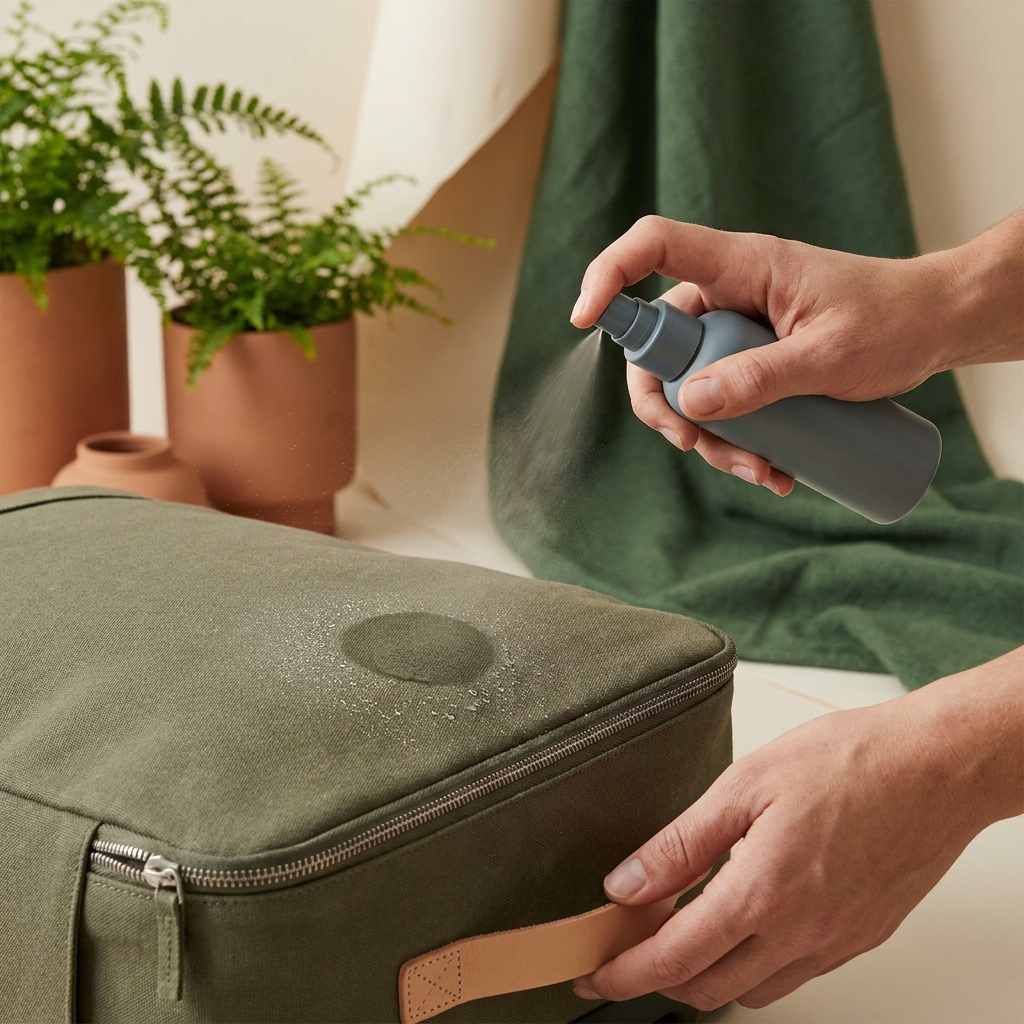
Apply DWR spray correctly (when appropriate)
- Prep: Wipe the fabric with mild soap and water, then let it dry completely before any treatment https://www.pengtengbags.com/news/how-to-waterproof-your-suitcase-a-practical-diy-step-by-step-guide/.
- Apply: Test a small hidden spot first. Spray light, even coats as directed by the product, rather than soaking trims and hardware https://www.pengtengbags.com/news/how-to-waterproof-your-suitcase-a-practical-diy-step-by-step-guide/.
- Cure: Allow full cure time before use; 24 hours is a common guidance unless your product specifies otherwise https://www.pengtengbags.com/news/how-to-waterproof-your-suitcase-a-practical-diy-step-by-step-guide/.
Note: DWR is usually suited to nylon, polyester, and canvas. It won’t seal seams and isn’t ideal for leather or suede https://eikenshop.com/blogs/products-guide/how-to-waterproof-your-backpack?srsltid=AYCX9vI9gyG8karDwD8YCo72jO38c3EqXFlLjUrP0xZRag85ojR0D7MF.
Seal common leak points: seams and zippers
Soft-sided luggage
After cleaning and drying, you can brush a compatible seam sealer along stitched lines and zipper junctions, then let it cure fully before testing. Mask metal parts with tape during application to avoid residue and corrosion on hardware https://www.pengtengbags.com/news/how-to-waterproof-your-suitcase-a-practical-diy-step-by-step-guide/.
Hard-shell cases
Rigid panels resist water, but moisture can still enter at gaskets, seals, and zipper openings. If you don’t want to touch the exterior with sealers, rely on internal barriers (below) to protect essentials https://www.pengtengbags.com/news/how-to-waterproof-your-suitcase-a-practical-diy-step-by-step-guide/.
Internal barriers: keep the contents dry
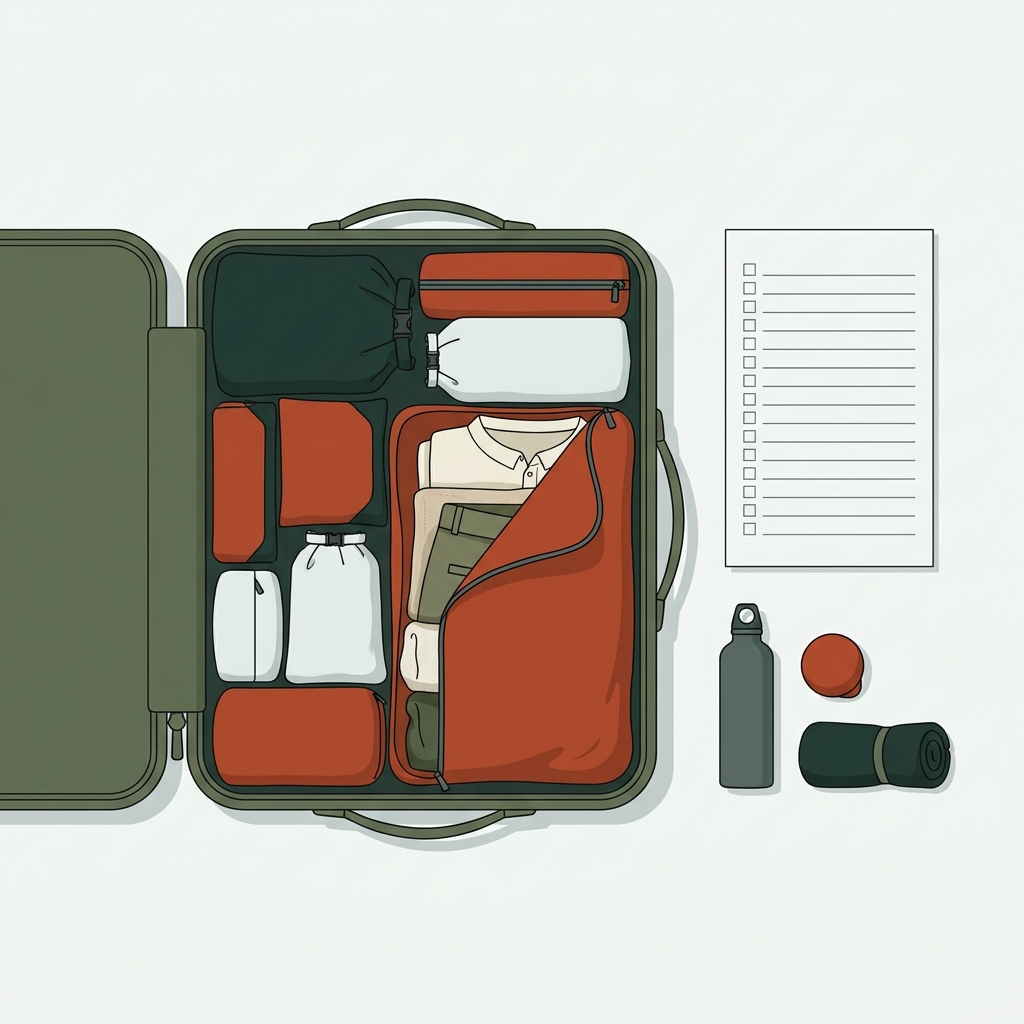
The most reliable safety net is inside the case. Line the main compartment with a waterproof liner or pack critical items in individual roll-top dry bags. This way, even if rain reaches seams or zippers, electronics and documents stay dry https://eikenshop.com/blogs/products-guide/how-to-waterproof-your-backpack?srsltid=AYCX9vI9gyG8karDwD8YCo72jO38c3EqXFlLjUrP0xZRag85ojR0D7MF. Organize around these barriers; if you like structure, pair dry bags with packing cubes for non-sensitive clothing /articles/packing-cubes-carry-on-how-many/.
Test and maintain your waterproofing
Simple home test
Before a wet trip, simulate rain with a spray bottle or brief light shower over the exterior. Then open immediately and check for damp spots, especially along seams and zippers. Re-treat only the areas that showed leakage and repeat the test until dry inside https://www.pengtengbags.com/news/how-to-waterproof-your-suitcase-a-practical-diy-step-by-step-guide/.
Upkeep that actually matters
- Top up DWR when water stops beading on the fabric https://eikenshop.com/blogs/products-guide/how-to-waterproof-your-backpack?srsltid=AYCX9vI9gyG8karDwD8YCo72jO38c3EqXFlLjUrP0xZRag85ojR0D7MF.
- Always store luggage fully dry to avoid mildew and degraded coatings https://eikenshop.com/blogs/products-guide/how-to-waterproof-your-backpack?srsltid=AYCX9vI9gyG8karDwD8YCo72jO38c3EqXFlLjUrP0xZRag85ojR0D7MF.
- If gear gets soaked, dry items promptly; for footwear, use our quick-dry routine: /articles/what-draws-moisture-out-of-shoes-92973bbc/.
Quick setup before a wet trip
FAQ
Can a spray alone make my luggage waterproof?
No. Sprays improve water beading but don’t seal seams or zippers. Combine external coverage with internal liners or dry bags for dependable protection https://eikenshop.com/blogs/products-guide/how-to-waterproof-your-backpack?srsltid=AYCX9vI9gyG8karDwD8YCo72jO38c3EqXFlLjUrP0xZRag85ojR0D7MF.
Do I need to treat a hard-shell suitcase?
Hard shells resist water through the panels, but leaks can occur at gaskets and zippers. Use a cover in heavy rain, and protect essentials inside with liners or dry bags https://www.pengtengbags.com/news/how-to-waterproof-your-suitcase-a-practical-diy-step-by-step-guide/.
What about canvas or leather?
Canvas can be waxed for added water resistance, though it will darken and stiffen. Leather needs specific waterproofing balms, not standard fabric sprays https://eikenshop.com/blogs/products-guide/how-to-waterproof-your-backpack?srsltid=AYCX9vI9gyG8karDwD8YCo72jO38c3EqXFlLjUrP0xZRag85ojR0D7MF.
Layer your defenses: cover outside, seal or treat where it makes sense, and always protect the inside. That combination is what keeps contents dry when the weather turns.
