
Your small bag holds the things you need within reach, but its allowance depends on the carrier and fare. Begin with underseat dimensions and the packed shape. Then choose secure access, comfortable carrying and an internal layout suited to the contents.
A backpack, tote or small roller may qualify on one flight and fail another. Keep an allowance note for every segment, and leave space to close pockets without bulging.
The small bag does a large job
The personal bag often carries the items needed while the main luggage is stowed. Separate your essential access needs from the wish to fit more clothing. Look at the packed depth, not just the flat bag, and count projecting pockets and fixed back panels. The airline’s fare and item count are as important as dimensions.
Choose around access
A suitable bag should make its contents easy to reach and carry comfortably with the real load. Compare zipper positions, handles and device compartments with your own equipment. Do a packed trial before deciding whether extra internal organization solves a problem or simply reduces useful space.
The checks worth making
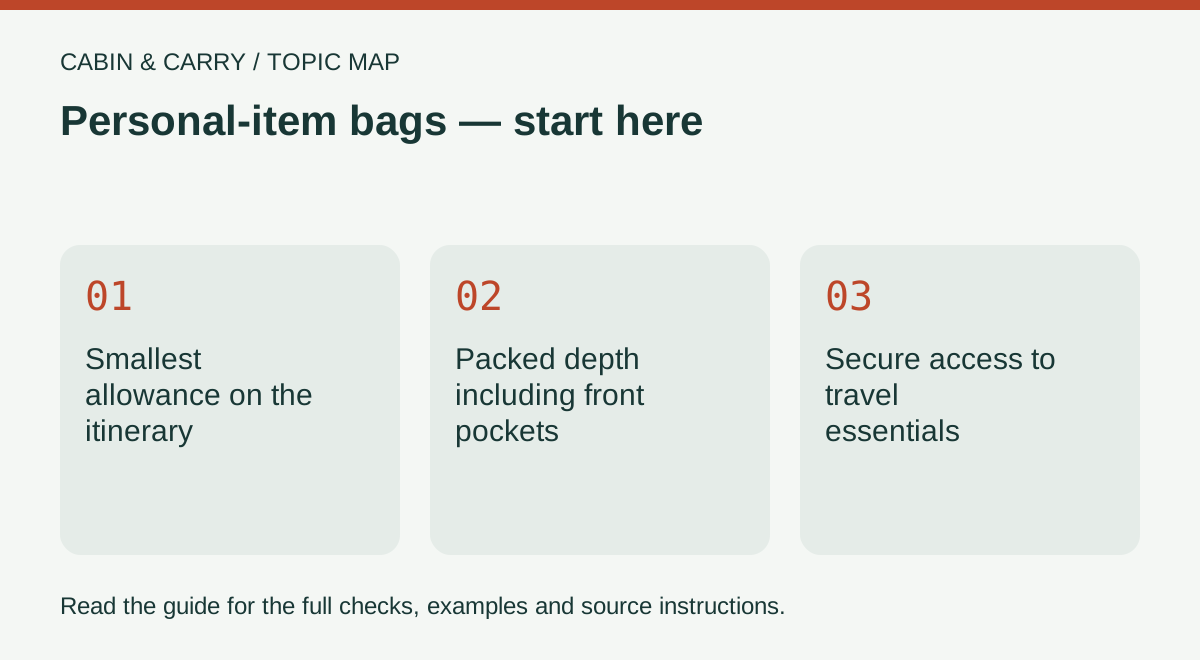
- Smallest allowance on the itinerary
- Packed depth including front pockets
- Secure access to travel essentials
- Comfort with the actual load
Turn the reading into a decision.
Use your own inputs and keep the stated assumptions with the result.
Open the related tool ↗