The journal
How many packing cubes do you need for a carry-on?
A volume-first method to choose how many packing cubes to bring in a single carry-on, matching cube liters to bag capacity and TSA rules.
What packing cubes do and why they matter for a carry-on
Definition: packing cubes and common types
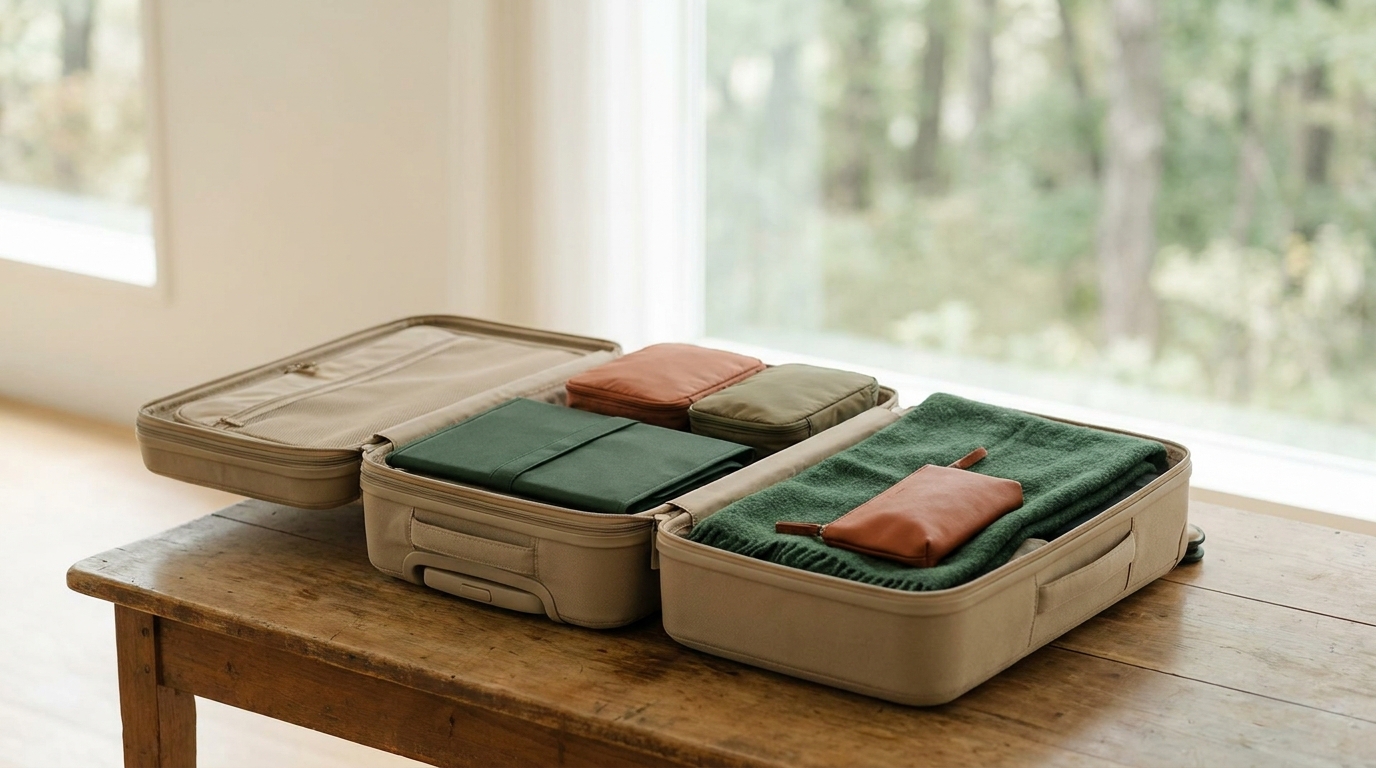
Packing cubes are zippered fabric pouches that help segment clothing and accessories inside a suitcase. Regular cubes keep items grouped by type, compression cubes reduce the volume of soft items by squeezing air out, and flat garment folders are built to hold shirts and trousers flat with minimal creasing. Expert reviews find that cubes improve organization and workflow in a suitcase, while compression cubes save space but can increase wrinkles; this trade-off is a common theme in packing advice Wirecutter packing cube guide.
For travelers using a single carry-on, the value of cubes is primarily organizational: they make it easier to locate outfits, separate clean from worn items, and speed up packing and unpacking. However, cubes do not change a bag's external volume; they help use internal space more efficiently but can encourage overstuffing if used without a volume plan, so treat them as structure rather than a way to exceed physical limits.
How cubes interact with carry-on rules
Before you choose how many packing cubes to bring, remember that airline size limits and security rules determine what will be accepted in the cabin. Many major U.S. carriers publish maximum carry-on dimensions that cluster around 22 x 14 x 9 inches, though enforcement and exact allowances vary by airline and fare tier United Airlines carry-on rules.
Also consider the TSA liquids rule: toiletries in carry-ons must fit 3.4 oz or 100 ml containers inside a single quart-size bag, so plan whether toiletries live inside a small cube, a dedicated toiletry pouch that you keep accessible, or the quart bag itself, which may travel outside a cube for inspection ease TSA liquids rule.
Quick checks before you decide how many cubes to pack
Confirm your airline's carry-on size and enforcement
Start by looking up your airline's published carry-on dimensions and any fare-tier restrictions. Policies differ, and some low-cost or international carriers include only a smaller personal item by default unless you buy priority or an add-on, which changes how many cubes you can reasonably bring Travel + Leisure carry-on size overview.
If your carrier lists dimensions, compare them to your bag's external measurements to ensure the packed cubes will fit when the bag is closed. Enforcement at boarding varies, so when in doubt leave a bit of headroom or pack cubes that can be adjusted quickly.
Toiletries and TSA 3-1-1: packing implications
The TSA 3-1-1 rule requires that carry-on liquids be in 3.4 oz or 100 ml containers inside a single quart-size bag, which affects whether you allocate a cube to toiletries or keep them as a separate accessible pouch for security checks TSA liquids rule.
If you plan to keep toiletry items inside a cube, place the quart bag where it can be removed quickly or leave it in an outer pocket for screening convenience. For international travel, check the destination and carrier rules ahead of time, since some airlines and security regimes have different guidance for liquids.
A simple volume-based framework to choose the number of packing cubes
Step 1: Find your bag's capacity in liters or internal dimensions
Most modern carry-on luggage either lists an internal capacity in liters or provides internal dimensions you can convert to liters; when capacity is listed, use that figure as your baseline. If you only have dimensions, estimate liters by multiplying internal length, width, and depth in centimeters and dividing by 1000 to get liters, accepting the result is approximate because internal shape and pockets reduce usable volume REI guide to choosing luggage.
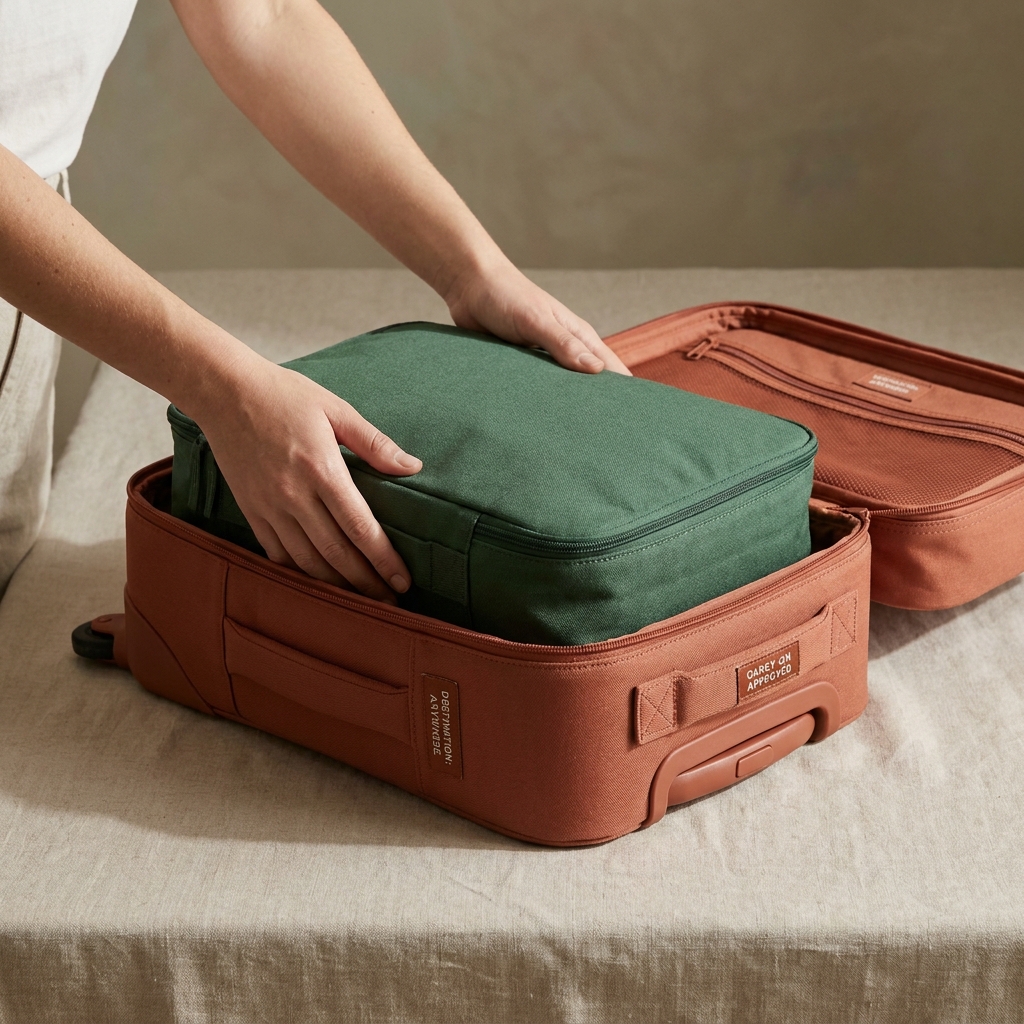
As you work this out, record a single usable bag liters figure and reserve 10 to 20 percent of that as headroom to allow for flexible packing, compression, and a quart-size liquids bag.
Step 2: Add up cube volumes and clothing bulk
Cubes commonly list volume in liters; add the liters of each cube you plan to bring and compare the sum to your bag's usable liters. Allow 10 to 20 percent headroom — for example, if your bag is 40 liters, plan cube totals around 32 to 36 liters so you can close the bag comfortably and have room for the quart-size liquids bag or a small laptop or charger pocket Wirecutter packing cube guide.
Estimate clothing bulk by category: underwear and socks are low volume, tees are moderate, sweaters are high. When assigning items to cubes, group by similar bulk so a single cube does not become the only oversized item that prevents zipping the bag.
Step 3: Leave working space and allow for toiletries
After totaling cube liters and comparing to bag capacity, leave space for a quart-size liquids bag and any small items you will add last minute. Compression cubes reduce measured liters but can increase garment wrinkles, so account for reduced compressibility if you need pressed items for meetings or events REI packing cubes advice.
When in doubt, remove a cube or choose a smaller cube set rather than overfill; organized, slightly lighter packing is preferable to a forced fit at the gate.
Choosing cube types and sizes for different carry-on strategies
Match cube selection to trip priorities: if space is the top priority, compression cubes help recover liters; if wrinkle control is the priority, regular cubes and a garment folder are better choices. Expert testing shows compression cubes reclaim space but can crease garments, while regular cubes retain organization with gentler packing Wirecutter packing cube guide.
For business trips, pair a flat garment folder with one or two regular cubes for casual items. This layout keeps shirts and trousers flatter and reserves one cube for underwear and small items, which is a common recommendation in luggage advice for business travel REI luggage guidance.
Try the business layout: garment folder for pressed items plus one cube for tops and one small cube for undergarments and accessories.
Choose cube sizes by role: small cubes for underwear and chargers, medium cubes for tops, large cubes for bulkier items or to hold several day outfits; keep a separate bag or pocket for shoes to protect clothing and keep shape.
Packing layouts and scenarios: how many cubes for common trip types
Weekend leisure trip (2 to 3 days)
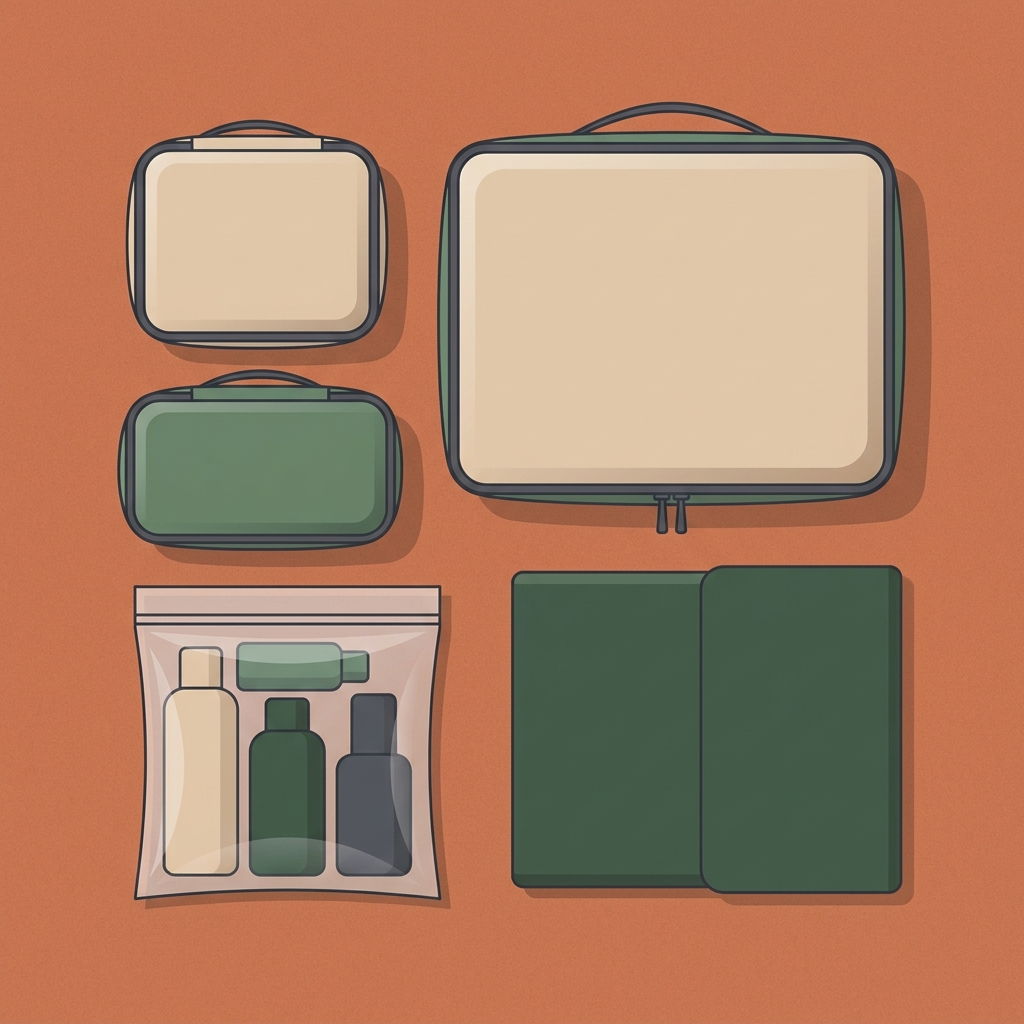
Alternative: a single medium cube plus a shoebag if you prefer fewer pieces to manage. For short trips, limiting the number of cubes reduces rearranging at your destination.
4 to 7 day trip
Typical layout: two to three cubes. Use one medium cube for tops, one medium or large cube for bottoms and a sweater if needed, and a small cube for underwear, chargers, and toiletries placement. If you use compression cubes, one of these can be compression-style to regain liters for bulky layers or a pair of shoes Wirecutter packing cube guide.
Decide where the quart-size liquids bag will sit before you compress anything; placing the liquids bag in an outer pocket or a small cube that remains accessible can speed security checks.
Business trip layout
Typical layout: a garment folder for shirts and trousers, plus one medium cube for casual tops and bottoms and a small cube for underwear and accessories. This arrangement keeps pressed clothes flatter while still offering organized storage for off-duty items, and aligns with practical recommendations for carry-on business packing REI luggage guidance.
If your itinerary mixes meetings and free time, consider a small additional cube for evening accessories or a spare shirt so you can switch looks without unpacking the folder.
Common mistakes people make with packing cubes and how to avoid them
Assuming cubes increase a bag's external capacity is a frequent error; cubes organize but do not bypass airline size limits, so never pack to the point where the bag cannot be closed easily or exceeds published dimensions Travel + Leisure carry-on size overview.
Another common mistake is placing liquids loose inside cubes. The TSA 3-1-1 rule requires liquids in a quart-size bag, so keep the quart bag accessible and avoid burying it deep inside a cube where it will slow screening and increase the chance of spills TSA liquids rule.
Finally, overusing compression cubes for wrinkle-prone garments leads to crumpled shirts and trousers. Use a garment folder for items you need pressed, and reserve compression cubes for soft, casual layers that tolerate creasing Wirecutter packing cube guide.
How to measure and test-fit cubes at home before you travel
Measuring your bag and cubes
Measure internal bag dimensions or use the manufacturer's listed liter capacity and write that number down. If you have cube volume in liters, add the volumes you intend to bring and compare the total to the bag liters minus your chosen headroom percentage REI guide to choosing luggage.
When cubes lack labeled liters, estimate size by comparing a folded garment to the cube or by measuring cube dimensions and converting to liters, accepting that fabric flexibility makes this an approximation.
A simple at-home test to simulate airline fit
Packed test: put your planned cubes into the carry-on, close the bag until the zipper meets normal resistance, and note if the outer dimensions sit tight or leave space. If the bag feels overfull, remove a cube or swap to smaller sizes and retest. This practical approach helps avoid surprises at the gate Wirecutter packing cube guide.
Measure the packed bag, including wheels and handles, against your airline’s allowance. A bag that closes is not necessarily within the permitted dimensions or weight.
Wrap-up checklist and final recommendations
Checklist: check your carrier's size rules, total your cube liters against bag capacity, choose cube types by priority (space versus wrinkle control), test-fit packed cubes at home, and pack liquids according to TSA 3-1-1.
Remember that packing cubes are tools for organization, not a way to force more into a carry-on; when in doubt, choose fewer cubes or smaller sizes and keep a clear spot for the quart-size liquids bag. Always verify the airline policy for your specific flight before finalizing your plan.
How many packing cubes should I bring in a carry-on for short to medium trips?
Use a volume-first approach: total your bag's usable liters, add the liters of the cubes you plan to bring, leave 10 to 20 percent headroom, and choose cube types by whether you prioritize space or wrinkle control.
Frequently asked questions
Do packing cubes make a carry-on hold more?
No. Packing cubes organize and can help compress items, but they do not increase a bag's external capacity or change airline size limits.
Should I put my liquid toiletries inside a packing cube?
Keep liquids in the TSA quart-size bag and accessible for screening rather than buried inside a cube, to avoid delays and spills.
How many cubes should I use for a 5 day trip?
Typically two to three cubes work for a 4 to 7 day trip: one for tops, one for bottoms and one small for underwear and accessories, adjusted for garment bulk.
Use the volume method before you pack: tally your bag liters, total your cube liters, allow headroom, and test-fit at home. With that simple check you can choose the right number of packing cubes for your carry-on and travel with less stress.
References
- https://www.nytimes.com/wirecutter/reviews/the-best-packing-cubes/
- https://www.united.com/en/us/fly/travel/baggage/carry-on-baggage.html
- https://cabinandcarry.com/
- https://www.tsa.gov/travel/security-screening/liquids-rule
- https://www.travelandleisure.com/airline-carry-on-luggage-size-restrictions-1734059
- https://www.rei.com/learn/expert-advice/travel-luggage
- https://www.rei.com/learn/expert-advice/packing-cubes
- https://www.outsideonline.com/adventure-travel/advice/the-ultimate-guide-to-packing-cubes/
- https://cubepacker.com/blogs/travel-advice-tips/how-to-pack-a-carry-on-only-and-never-check-a-bag-again
- https://eaglecreek.com/blogs/articles/carry-on-weight-limit