
The journal
The best way to clean a reusable water bottle
Practical daily and deep-clean steps for reusable bottles, with lid and straw care, drying, and travel tips.
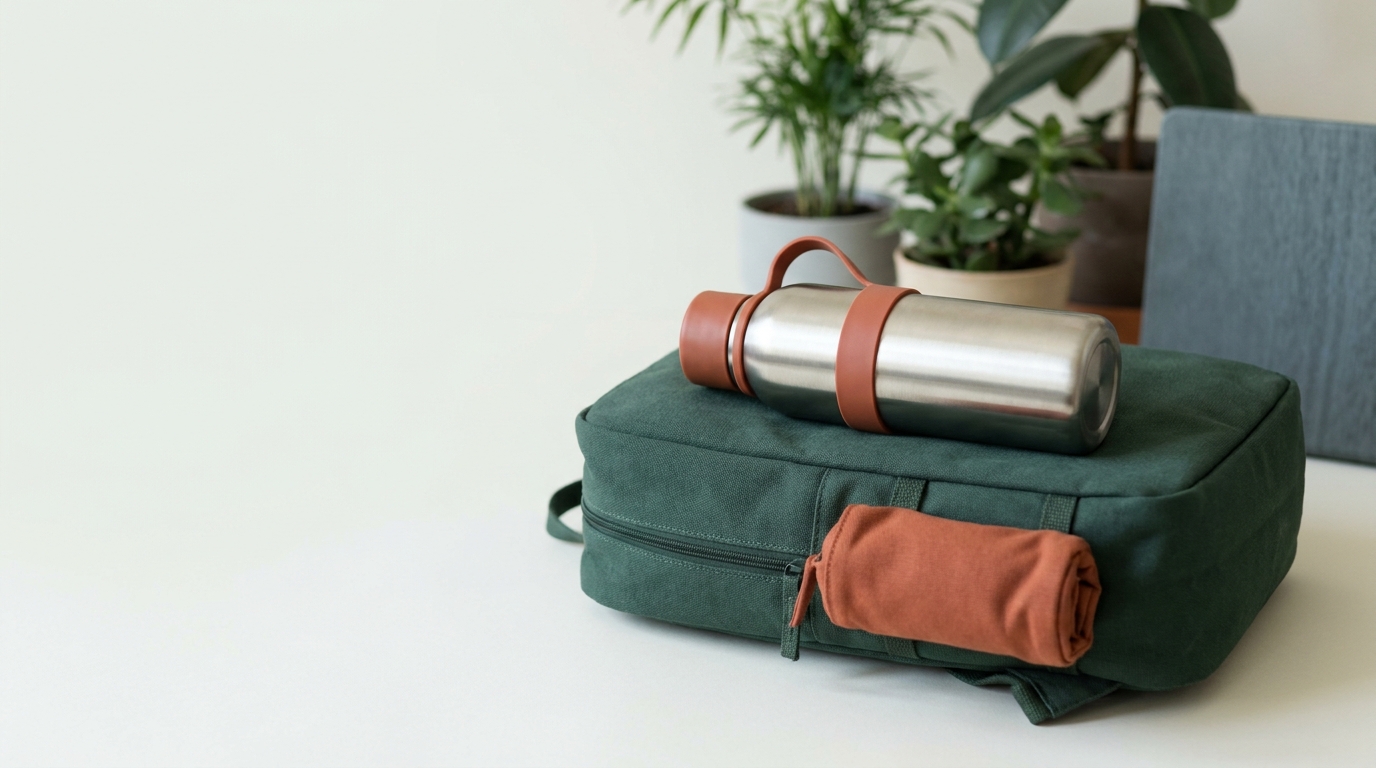
Wash your bottle daily with warm water and mild dish soap, scrub the lid, seals and any straw, then air-dry everything uncapped. Deep-clean with a brush and short baking soda or diluted vinegar soaks when you notice odors or residue, and always follow your bottle’s care label for dishwasher use, heat and chemicals (sources: https://www.nbcnews.com/select/shopping/how-to-clean-water-bottle-rcna595888, https://us.keepcup.com/blogs/keep-up-with-keepcup/how-to-clean-a-stainless-steel-water-bottle-and-keep-it-at-its-best).
Daily routine: fast and effective
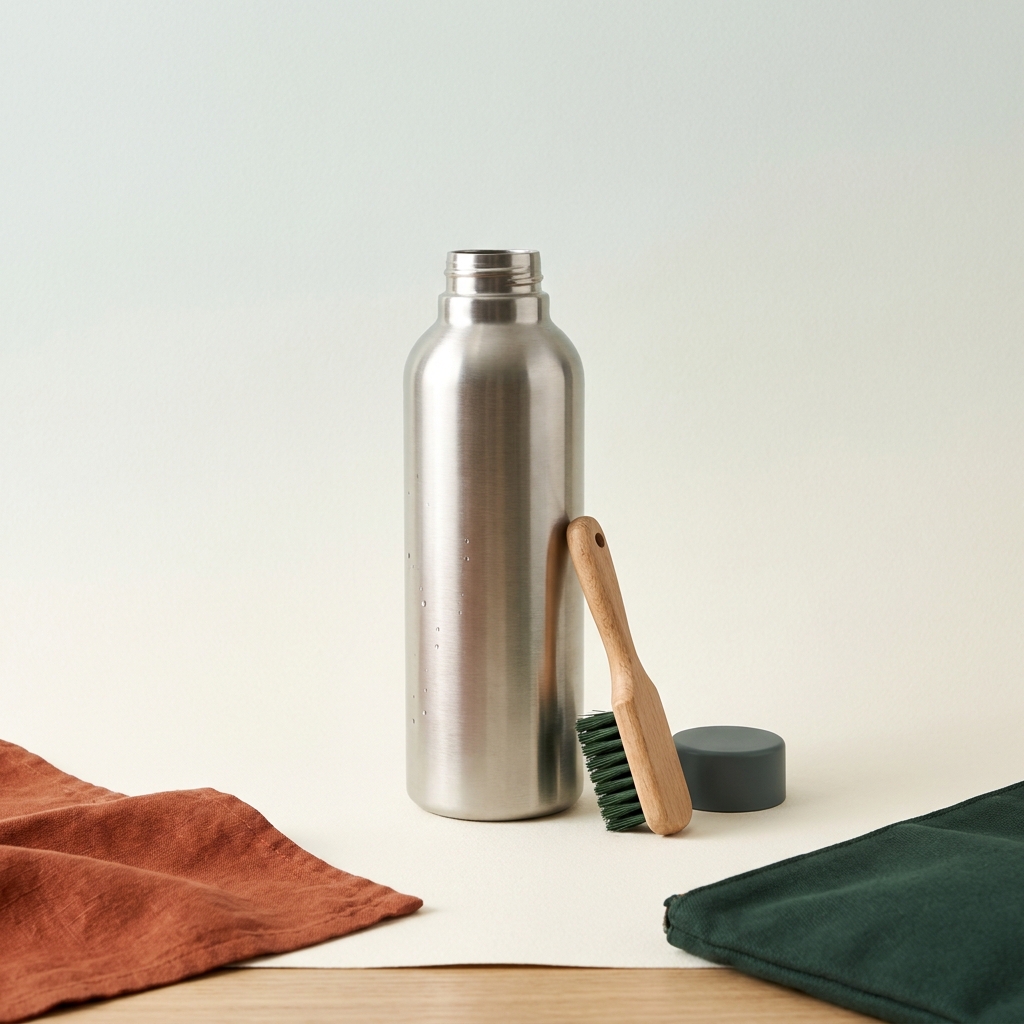
- Empty, then wash the bottle interior with lukewarm water and a drop of mild dish soap. Use a bottle brush to reach the base and shoulders. Rinse until no suds remain (source: https://www.nbcnews.com/select/shopping/how-to-clean-water-bottle-rcna595888).
- Disassemble the cap. Rinse and wash the underside of the lid, threads, mouthpiece and any straw with a small brush. Let parts air-dry fully before reassembling (source: https://www.nbcnews.com/select/shopping/how-to-clean-water-bottle-rcna595888).
- Avoid leaving standing water in a closed bottle; microbial growth increases over time at room temperature (source: https://www.bbc.com/future/article/20250317-how-often-should-you-clean-your-water-bottle-and-what-is-the-best-way).
If you’re busy or traveling, at least rinse with clean water after each use and leave the bottle open to dry until you can wash it properly.
Deep cleaning and deodorizing
When to deep-clean
Do a deeper clean weekly or any time you notice a film, stains, a “funky” taste, or after illness in the household (sources: https://us.keepcup.com/blogs/keep-up-with-keepcup/how-to-clean-a-stainless-steel-water-bottle-and-keep-it-at-its-best, https://www.nbcnews.com/select/shopping/how-to-clean-water-bottle-rcna595888).
Methods that work
- Baking soda soak: add 1-2 tbsp baking soda and warm water, soak 15-30 minutes, scrub, then rinse thoroughly (sources: https://www.nbcnews.com/select/shopping/how-to-clean-water-bottle-rcna595888, https://us.keepcup.com/blogs/keep-up-with-keepcup/how-to-clean-a-stainless-steel-water-bottle-and-keep-it-at-its-best).
- Diluted white vinegar: fill with a short 1:1 or lighter water-vinegar mix, soak 15-30 minutes, scrub, then rinse until the vinegar odor is gone (sources: https://www.nbcnews.com/select/shopping/how-to-clean-water-bottle-rcna595888, https://us.keepcup.com/blogs/keep-up-with-keepcup/how-to-clean-a-stainless-steel-water-bottle-and-keep-it-at-its-best).
- Dishwasher: only if your bottle or cup is labeled dishwasher safe. Lids with silicone seals often last longer when handwashed; some dishwashers offer a sanitize cycle that can be effective for bottles that are dishwasher safe (sources: https://us.keepcup.com/blogs/keep-up-with-keepcup/how-to-clean-a-stainless-steel-water-bottle-and-keep-it-at-its-best, https://www.bbc.com/future/article/20250317-how-often-should-you-clean-your-water-bottle-and-what-is-the-best-way).
Note on bleach: Some guides recommend a brief, highly diluted bleach soak for stainless steel to sanitize, but many insulated bottle makers advise against bleach. Only use bleach if your manufacturer explicitly allows it, and rinse thoroughly (sources: https://bottlespure.com/how-to-clean-stainless-steel-water-bottle/, https://us.keepcup.com/blogs/keep-up-with-keepcup/how-to-clean-a-stainless-steel-water-bottle-and-keep-it-at-its-best).
Lids, straws and seals: the hidden trouble spots
- Remove silicone gaskets and straws when possible. Soak in warm soapy water, then scrub crevices, vents and threads with a small brush (source: https://www.nbcnews.com/select/shopping/how-to-clean-water-bottle-rcna595888).
- Handwash lid components to extend the life of silicone seals; high dishwasher heat can shorten their lifespan (source: https://us.keepcup.com/blogs/keep-up-with-keepcup/how-to-clean-a-stainless-steel-water-bottle-and-keep-it-at-its-best).
- Replace seals that are cracked, stiff, persistently smelly or leaking after cleaning (source: https://us.keepcup.com/blogs/keep-up-with-keepcup/how-to-clean-a-stainless-steel-water-bottle-and-keep-it-at-its-best).
Drying and storage
- Air-dry the bottle upside down and store with the lid off so moisture does not get trapped and cause odors (sources: https://www.nbcnews.com/select/shopping/how-to-clean-water-bottle-rcna595888, https://us.keepcup.com/blogs/keep-up-with-keepcup/how-to-clean-a-stainless-steel-water-bottle-and-keep-it-at-its-best).
- Cold slows microbial growth. If you can’t wash immediately, storing a used bottle in the fridge between sips can reduce bacterial multiplication until you clean it (source: https://www.bbc.com/future/article/20250317-how-often-should-you-clean-your-water-bottle-and-what-is-the-best-way).
Material notes and safe limits
- Always follow your specific bottle’s care label for heat, dishwashers and chemicals.
- Stainless steel and glass usually tolerate brushing well; plastics and printed or coated finishes may scratch with abrasives. Use mild dish soap and soft brushes by default (source: https://www.nbcnews.com/select/shopping/how-to-clean-water-bottle-rcna595888).
- If you add drinks other than water (coffee, tea, protein shakes), clean promptly; sugars and proteins feed microbes and can leave stubborn films (source: https://www.bbc.com/future/article/20250317-how-often-should-you-clean-your-water-bottle-and-what-is-the-best-way).
On the road
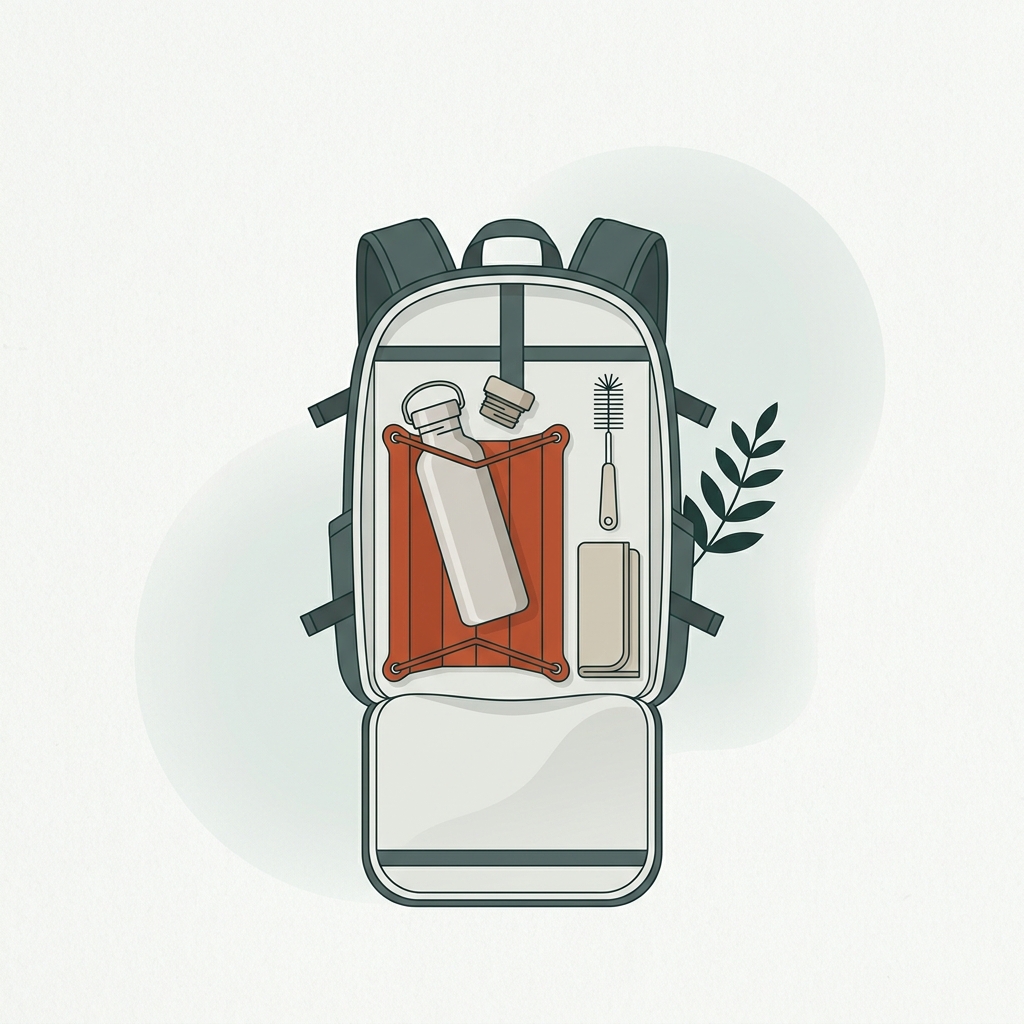
- Pack a tiny bottle brush and a small leakproof bottle of mild dish soap. Plan short wash opportunities in hostel kitchens or hotel sinks. For trip timing and breaks, try our Trip Planner.
- Keep your clean, uncapped bottle away from shoes and toiletries in your bag. If other wet gear needs drying, handle it separately to avoid mustiness; see our practical drying advice for footwear in What draws moisture out of shoes?
Clean-bottle routine you can actually keep
FAQ
How often should I clean it?
Daily washing keeps microbes and biofilm from building up; many people add a weekly deep-clean. A simple rhythm is daily light clean, weekly thorough scrub, and a deeper deodorizing soak as needed (sources: https://www.nbcnews.com/select/shopping/how-to-clean-water-bottle-rcna595888, https://us.keepcup.com/blogs/keep-up-with-keepcup/how-to-clean-a-stainless-steel-water-bottle-and-keep-it-at-its-best).
Is the dishwasher OK?
Only if your bottle and parts are labeled dishwasher safe. Lids with silicone often last longer with handwashing, while some dishwashers offer a sanitize cycle that can help for safe-to-wash bottles (sources: https://us.keepcup.com/blogs/keep-up-with-keepcup/how-to-clean-a-stainless-steel-water-bottle-and-keep-it-at-its-best, https://www.bbc.com/future/article/20250317-how-often-should-you-clean-your-water-bottle-and-what-is-the-best-way).
What actually makes the bad smell?
Backwash and traces of nutrients allow bacteria to multiply and form biofilm; standing water at room temperature accelerates this. Regular washing and full drying stop the cycle (source: https://www.bbc.com/future/article/20250317-how-often-should-you-clean-your-water-bottle-and-what-is-the-best-way).
