
A travel backpack has two jobs: fit your body and fit the journey. Harness adjustment, opening style and the way dense items sit inside it matter alongside a headline capacity. Use the manufacturer’s fitting instructions for the actual generation you are buying.
Make a transfer map before choosing. Stairs, long walks and repeated train changes can change the balance between a wheeled case and a pack. A realistic loaded trial is more valuable than comparing empty bags.
Fit and volume are separate decisions
A litre rating tells you little about how a loaded harness will feel on your body. Read the fitting instructions for the exact model, then try the pack with the equipment you intend to carry. A comfortable backpack still needs an exterior size and weight check for each flight allowance.
Think beyond the walk
Check how the pack opens in a room, how the harness stores and which items are accessible in transit. Consider the lifting and storage movements as well as the time spent wearing it. Choose the equipment around your own comfort, rather than treating a larger pack as an automatic upgrade.
The checks worth making
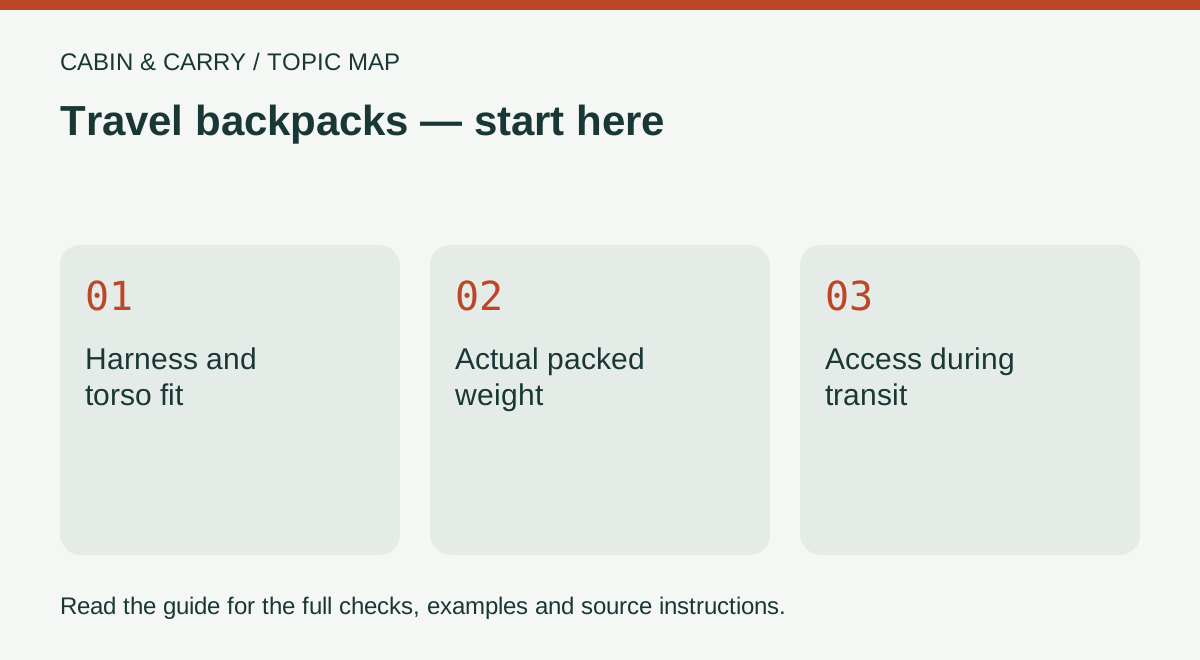
- Harness and torso fit
- Actual packed weight
- Access during transit
- Packed external dimensions
Turn the reading into a decision.
Use your own inputs and keep the stated assumptions with the result.
Open the related tool ↗