
The journal
Which tools are allowed in TSA carry-on bags?
A practical guide to which tools you can bring in your TSA carry-on: the 7-inch hand tool rule, examples that usually pass, what must be checked, and how to pack to avoid delays.
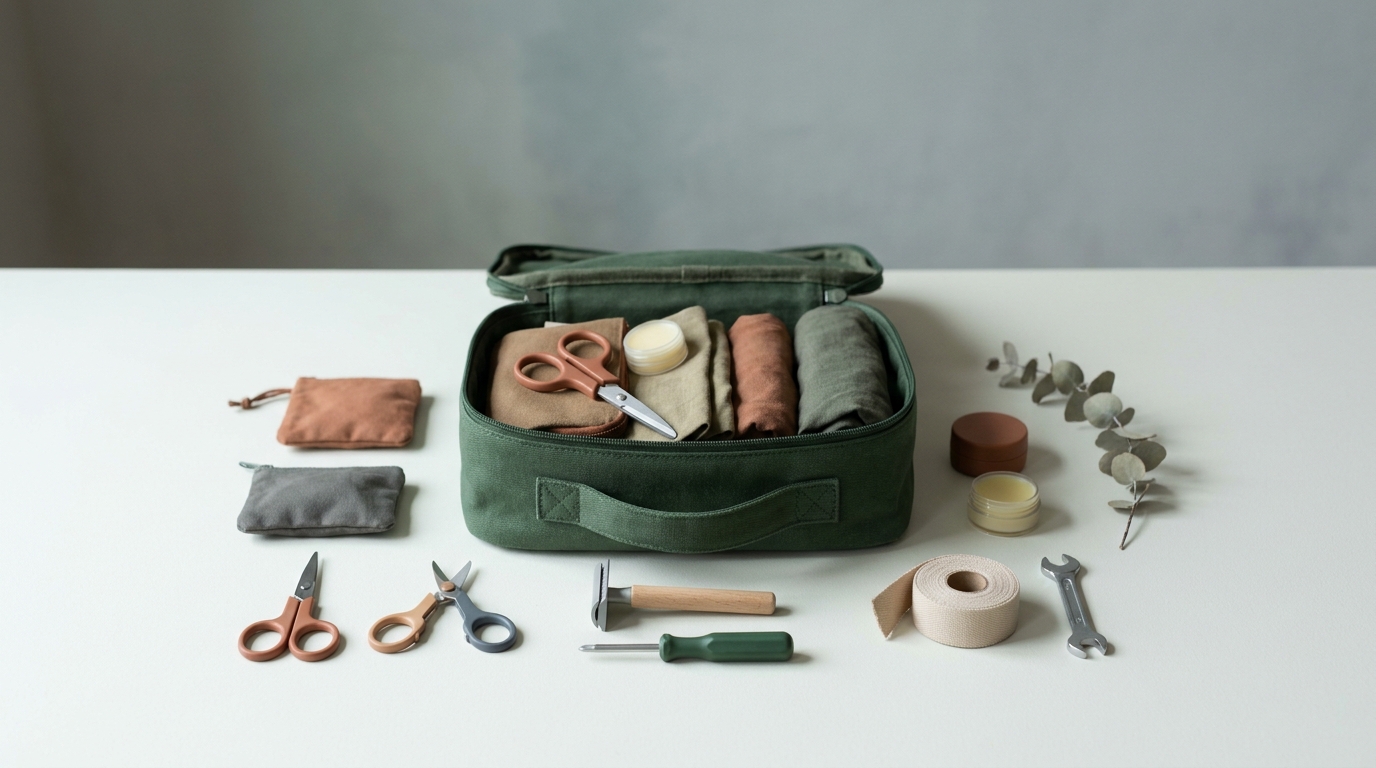
Allowed in TSA carry-on: hand tools that are 7 inches or shorter when assembled, such as small screwdrivers, wrenches and pliers. Power tools of any size and any tool over 7 inches must go in checked baggage. Final decisions rest with the officer at screening (TSA Tools).
What the 7-inch tool rule allows
TSA states that tools 7 inches or shorter may be allowed in carry-on. Measure the full length of each tool in its assembled state. Common examples that can fit within this limit include:
- Short screwdrivers
- Compact pliers
- Small wrenches or ratchets
Pack these together in a pouch to make secondary screening easier. Remember that an officer can still prohibit an item if it raises a security concern (TSA Tools).
Tools that must be checked
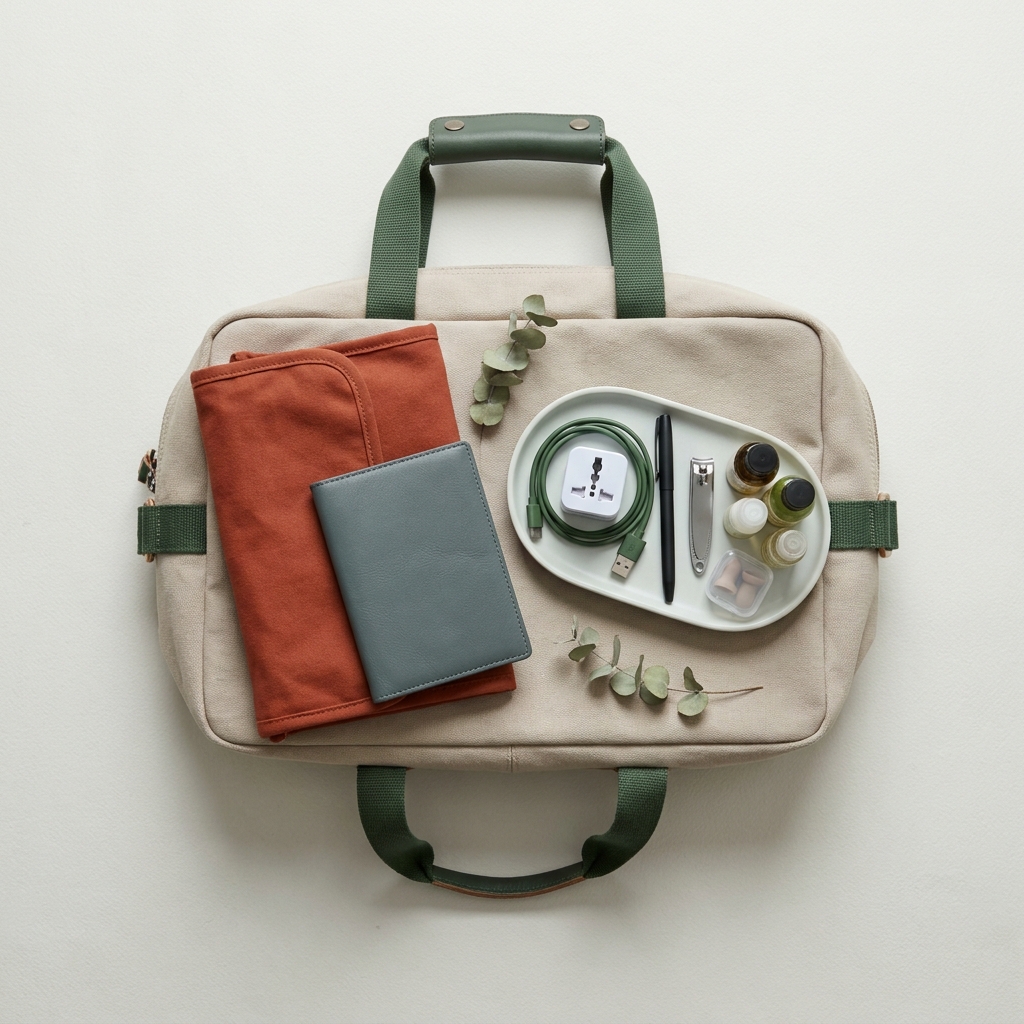
- Power tools of any kind (for example, corded or cordless tools) must be placed in checked baggage, regardless of size (TSA Tools).
- Any tool longer than 7 inches when assembled must be checked (TSA Tools).
- Striking or chopping tools such as axes and hatchets are not allowed in carry-on (TSA Household and Tools).
Items with detachable sharp parts are often treated as sharp objects until those parts are removed. For instance, a blender jar can be carried on only if the blade is removed (TSA Household and Tools).
Multitools and cutting edges
Bladeless, compact multitools may qualify under the 7-inch tool rule, but if a tool includes a cutting blade or other prohibited sharp component, expect it to be rejected for carry-on. When in doubt, check it. The officer at the checkpoint has the final say (TSA Tools).
Packing tips that speed screening
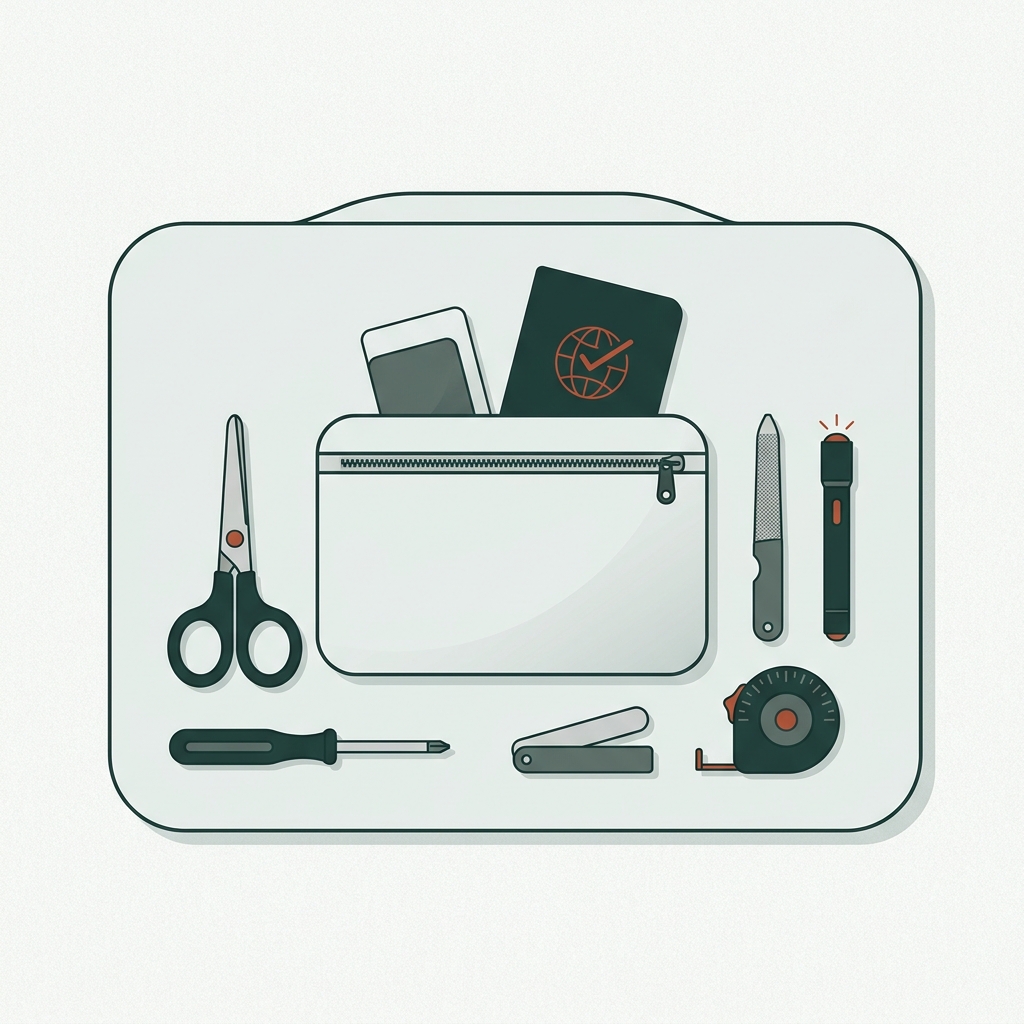
- Measure each hand tool before you pack. Keep carry-on tools at or under 7 inches assembled.
- Bundle small tools in a zippered pouch and place it near the top of your bag in case agents want a closer look.
- Put all power tools and any oversize or questionable items in checked baggage from the start.
Carry-on tool precheck before you leave home
Officer discretion and quick checks
Even generally permitted tools can be refused if they trigger alarms or present other security concerns. Build in time for possible bag checks and be ready to surrender an item or check a bag if directed (TSA What Can I Bring?).
If your trip crosses borders
Rules differ outside the U.S. For example, UK guidance prohibits tools with a blade or shaft over 6 cm in hand luggage, and lists several common tools as carry-on prohibited. Always confirm the rules for each country on your itinerary (GOV.UK: Work tools in hand luggage).
Related reading from Cabin & Carry
FAQ
Can I bring a screwdriver in my carry-on?
Yes, if it is 7 inches or shorter when assembled. Longer screwdrivers must be checked (TSA Tools).
Are pliers and small wrenches allowed?
Yes, if each tool is 7 inches or shorter. Anything longer must be checked (TSA Tools).
Are power tools ever allowed in carry-on?
No. Power tools must go in checked baggage regardless of size (TSA Tools).
