
The journal
What is the three shoe rule? A practical packing guide
how to pack shoes in suitcase with the three shoe rule: choose three versatile pairs, wear the bulkiest, and pack smart to save space and protect clothes.
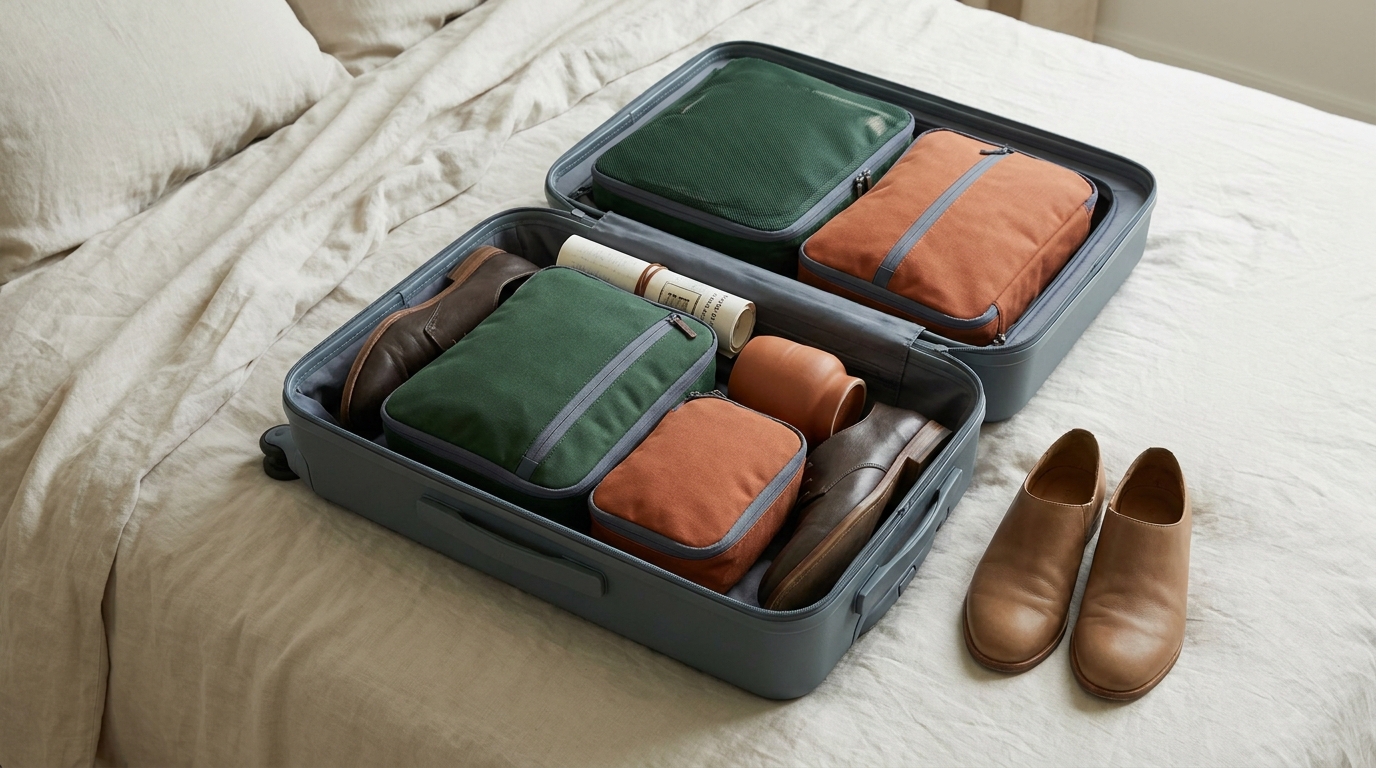
Quick answer: what the three shoe rule means for your suitcase
The three shoe rule is a simple packing heuristic: limit yourself to three versatile pairs - one everyday walking pair, one dressier pair, and one activity- or weather-specific pair, and wear the bulkiest pair while you travel to save space and reduce carry weight, a method travel editors have highlighted in recent coverage recent coverage
What is the three shoe rule?
It is a packing guideline to bring three versatile pairs—an everyday walking shoe, a dressier option, and an activity- or weather-specific pair—while wearing the bulkiest to save space and weight.
Editors promote the rule because it trims bulk and decision fatigue while still covering most trip scenarios, from short city breaks to mixed business-and-leisure travel, but it is intended as a flexible guide rather than a strict limit
Choosing your three pairs: how to pick shoes that cover most trips
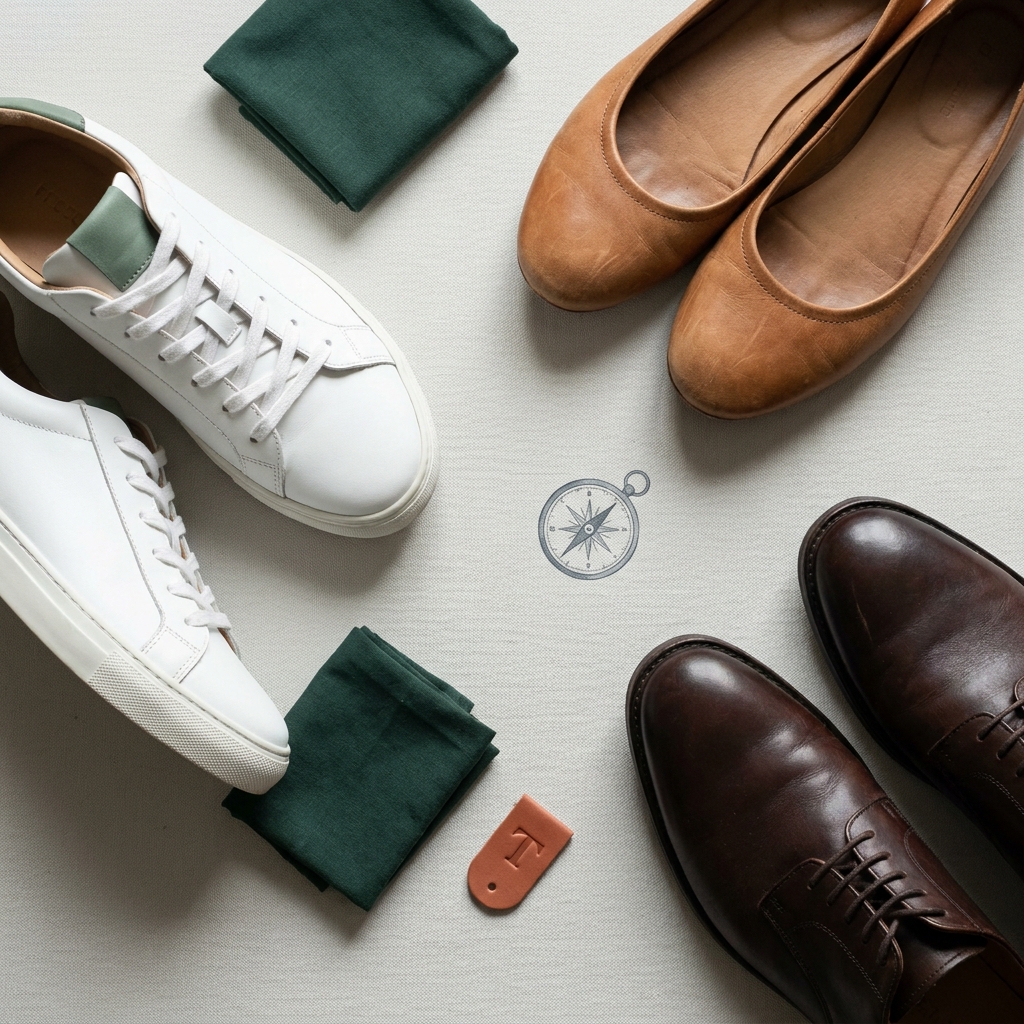
Start by thinking in functions, not fashion: an everyday walking pair should be comfortable for long miles, your dressier pair should work with several outfits, and the activity-specific pair should match the trip's dominant needs; this three-category approach is the core of the three shoe rule

For many short trips a workable set is to wear a sneaker, and pack a versatile flat or sandal plus a dressier shoe; that combo is recommended as a practical baseline for weekends because it covers casual days, warm-weather options and a smarter look when needed
Wear the bulkiest pair on travel days to save space inside the bag and to reduce the load you carry; choose which pair to wear based on bulk plus the first and last activities at your destination
Special cases call for adjustments. If your trip includes formal events, technical hiking or winter sports, add or swap the activity pair accordingly; treat the three shoe rule as a flexible starting point, not a mandatory cap
A short decision checklist to pick three travel shoes
Packing technique: how to pack shoes in suitcase for space and cleanliness
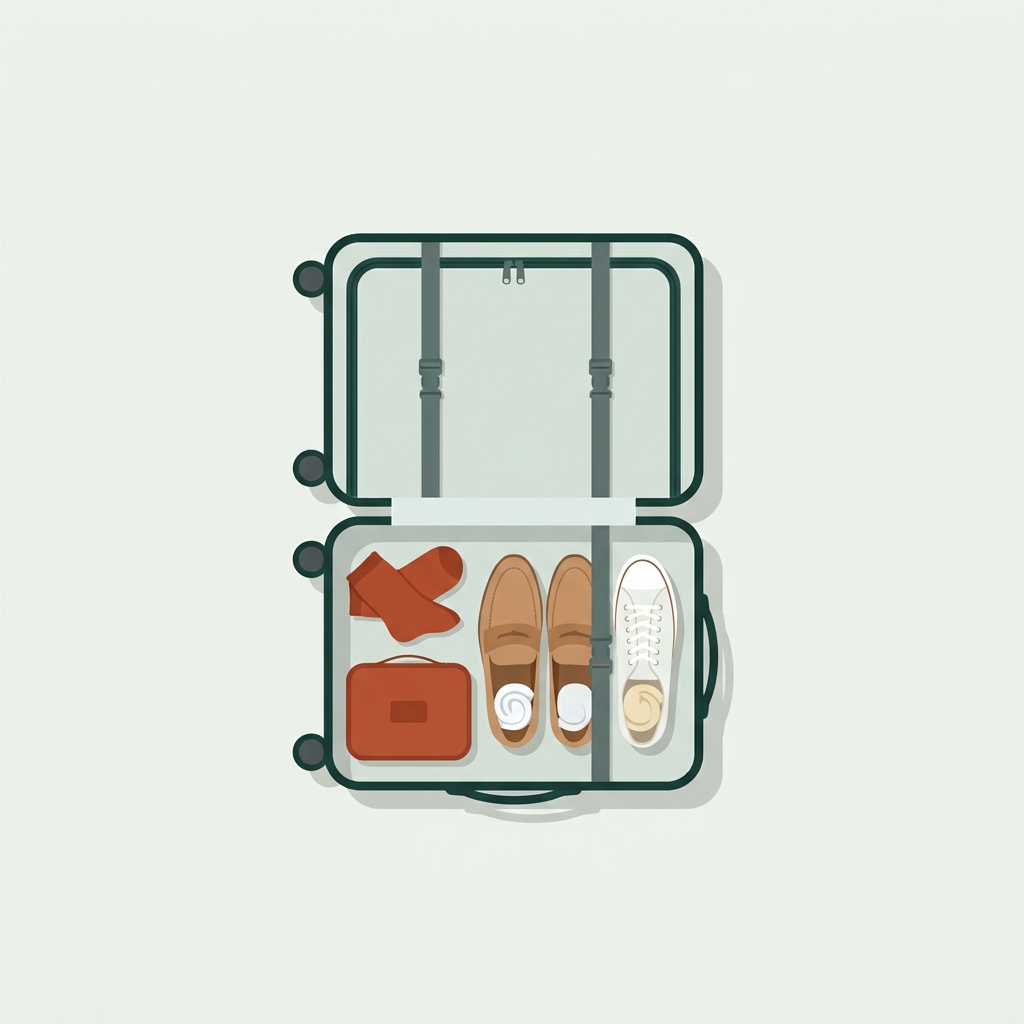
Packing shoes efficiently begins with placement: pack shoes heel-to-toe along the suitcase perimeter, with the soles facing the shell and the uppers turned inward to protect garments and maximize space
Packing shoes this way also helps balance a suitcase when shoes are positioned near the wheel-end of a spinner, which reduces shifting during transit and makes the bag behave predictably on rollers
Use shoe bags or disposable caps to keep dirt off clothing and to separate materials; lightweight protective covers are a repeated recommendation in current packing guides for maintaining garment cleanliness
Fill each packed shoe with socks, belts or other small accessories to reclaim internal volume and help the shoe keep its shape; stuffing also prevents the shoe from collapsing and saves space usually lost to hollow interiors
Follow a quick step-by-step checklist: 1) wear your bulkiest pair, 2) place packed shoes along the perimeter heel-to-toe, 3) put shoes near the wheel-end for balance, 4) cover uppers with shoe bags or caps, and 5) stuff shoes with small items
Deciding by trip type: weekend, business, long trips and when to break the rule
Weekend trips: a common and effective trio is to wear a comfortable sneaker, and pack a versatile flat or sandal plus a dressier shoe; this combination covers daytime walking, casual evenings and a smarter option without excess baggage
Business and mixed itineraries: rotate outfits around the three categories rather than adding footwear. Plan outfit combinations so each shoe covers multiple looks, and prioritize shoes that blend comfort with a neater appearance for meetings or dinners
Longer trips: stay flexible by leaning on outfit rotation and laundry or rewear strategies. Sticking to the three categories preserves flexibility while preventing shoe bulk from dominating space typically needed for clothing and toiletries
Exceptions: if your itinerary includes technical hiking, a black-tie event, skiing or other niche needs, bring specialist footwear. The rule is a guideline; extra shoes are justified when they are essential to safety, dress code or activity performance
Common mistakes and quick fixes when you pack shoes
Avoid overpacking shoes. Travelers often bring more than they need thinking this increases options, but extra pairs add weight and decision fatigue and can limit outfit flexibility rather than improve it
Skip shoe protection at your peril. Failing to use bags or caps risks transferring dirt or soles onto clothes; a simple protective layer keeps garments ready to wear without extra washing
Mind weight and balance. Putting all shoes at one end of a spinner can make a bag tip or roll oddly; place heavier shoes near the wheel-end to help the luggage stay balanced and reduce movement during transit
Stuff shoes deliberately: haphazard stuffing can lead to wasted space or misshapen footwear. Use socks and small accessories to fill cavities, and arrange those items so they remain accessible when you open the bag
Practical examples and a sample three-shoe packing checklist
Sample 1, weekend city break: wear a supportive sneaker, pack a low-profile sandal or flat, and add a simple dress shoe for evening plans. This keeps footwear choices compact while covering walking, warm weather and a nicer option
Sample 2, short business trip: wear a comfortable but neat shoe, pack a pair of versatile loafers or flats that pair with workwear, and include a dressier option only if formal meetings require it; plan outfits so each shoe matches more than one look
Sample 3, mixed adventure for a longer trip: wear a rugged walking shoe, pack a lightweight casual shoe that cleans easily, and include an activity-specific pair only for the planned activity; use laundry or rewear to extend outfit options
Here is a concise packing checklist to use before you zip the case: wear bulkiest pair, place packed shoes heel-to-toe along the perimeter, put shoes near the wheel-end, use shoe bags or caps, stuff shoes with socks or small items, and verify carry-on dimensions if you aim to avoid checked luggage
Takeaway: the three shoe rule helps most travelers cut bulk and travel lighter, but apply it flexibly. If a specific event or activity demands a fourth pair, bring it—just plan where it will go and what it will replace
Frequently asked questions
Do I have to stick to exactly three pairs?
No. The three shoe rule is a flexible guideline. Add or swap a pair when safety, dress codes or special activities require it.
How should I protect clothes from shoe dirt?
Use lightweight shoe bags or disposable caps and pack shoes with soles facing the suitcase shell to reduce contact with garments.
Will stuffing shoes with socks save space?
Yes. Filling shoes reclaims otherwise wasted volume and helps them keep shape while packing.
Use the three shoe rule as a practical starting point: pick three versatile pairs, wear the bulkiest, and use the packing techniques here to protect garments and balance weight. If a trip requires specialist footwear, adapt the rule and plan where that extra pair will go.
References
- https://www.travelandleisure.com/carry-on-packing-tips-3-3-3-method-writer-picks-12071280
- https://rothys.com/pages/vacation-shoes-to-pack-3-shoe-rule?srsltid=AU7gw4V5OG7uVhYDbZ2OFZvB4eMlqPBiDabiEF4yIS7V7o0htN0rBFpd
- https://www.koio.co/blogs/editorial/how-to-pack-shoes-for-travel?srsltid=AU7gw4XByqQ_LCN5ZQAwHbVAnNx28YUvTRWySJJkLH91mKL6LI3l4dgO
- https://cabinandcarry.com/tools/packing-planner
- https://cabinandcarry.com/collections/one-bag-weekend
- https://cabinandcarry.com/baggage-rules/international-carry-on-size