
The journal
What not to put on a luggage tag (and what to write instead)
Keep sensitive details off your luggage tag. Here’s exactly what to leave off and the minimal info to include so airlines can reach you without exposing your privacy.
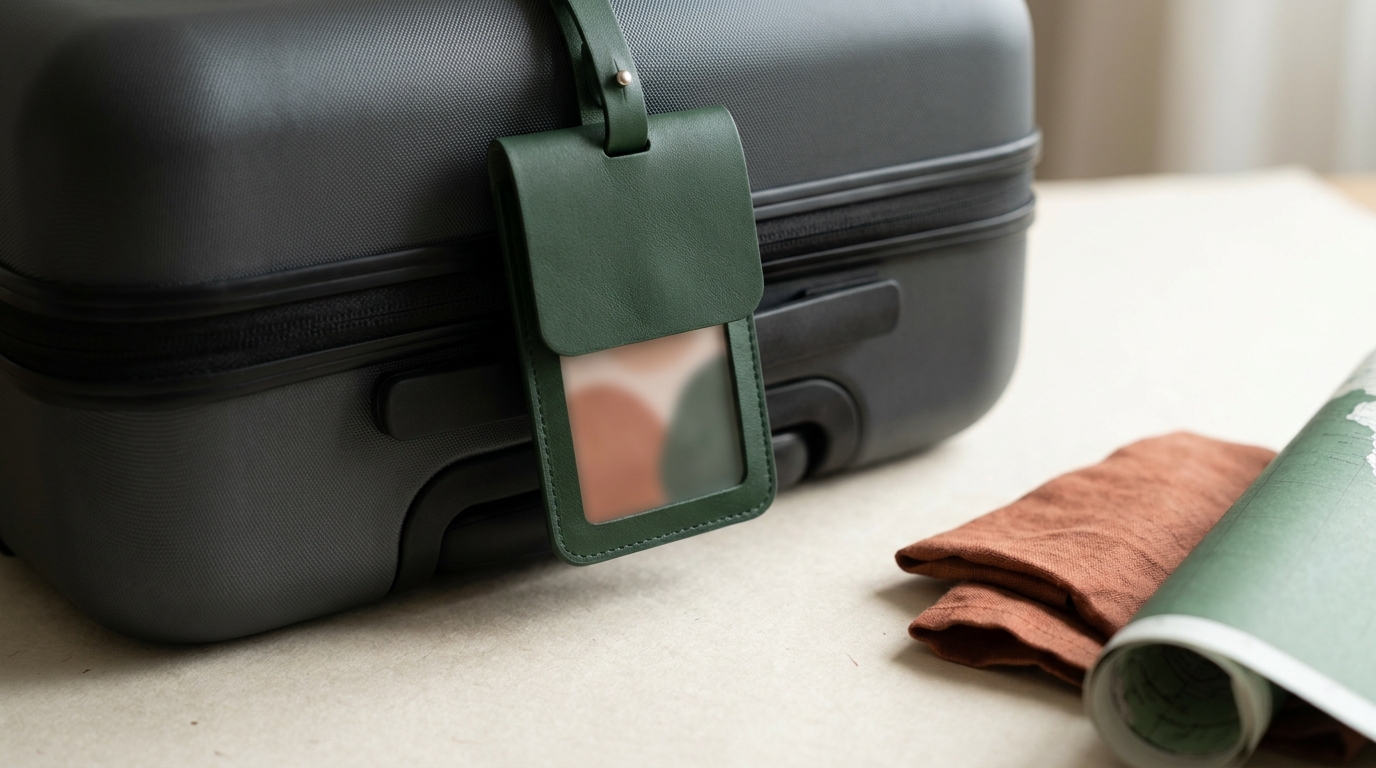
Do not display your full home address, government ID or passport numbers, financial details, or detailed trip dates on an external luggage tag. Put only your name, a reachable mobile number (with country code), and an email on the outside. If an address is needed, use a destination address and keep any home address on an interior card instead (DELSEY: how to tag luggage; Nine travel piece on privacy).
Why keeping details off your tag matters
External tags are visible to anyone who handles or sees your bag. Publishing your home address can signal that your residence is unoccupied, and listing ID numbers or other sensitive data increases the risk of misuse (Nine travel piece on privacy). Several luggage makers and travel guides advise limiting visible data and placing fuller contact details inside the case as backup (DELSEY: how to tag luggage; Eminent guidance on tag info).

What you shouldn’t put on a luggage tag
Keep these off the outside
- Full home address. Use a destination or non-residential address if an address is required, and keep any home address on an interior card (Nine travel piece on privacy; Eminent guidance on tag info).
- Passport, driver’s license, national ID or Social Security numbers, and any financial details. Airlines do not need these on your tag, and displaying them is a privacy risk (DELSEY: how to tag luggage).
- Detailed trip dates or full itinerary. Publicly stating when you are away can create avoidable risk (CrewTags: what to include and avoid).
- Unrelated social media handles or public-profile links. A purpose-built contact QR tag may help recovery, but linking to a personal profile can expose more than the finder needs (CrewTags: what to include and avoid).
What to write instead
Outside tag: short and readable
Include your name, a mobile number with country code, and an email. That gives staff a fast way to reach you without exposing sensitive data. If you wish, add a destination hotel or rental address on a concealed line or the back of the card (DELSEY: how to tag luggage).
Inside the bag: fuller backup
Place a duplicate card inside the suitcase with the same contact info. A matching name, reachable phone number and email usually make a useful backup. Add a postal address or other details only if the carrier’s process requires them, and keep them concealed rather than routinely including a complete itinerary (Eminent guidance on tag info; DELSEY: how to tag luggage).
You can also use a privacy-flap tag so details aren’t readable at a glance, and add a Bluetooth or smart tracker as a complement to, not a replacement for, visible contact info (DELSEY: how to tag luggage).

Related but different: luggage straps aren’t ID
A plain luggage strap does not provide contact details. A strap with an integrated ID panel can carry them; whichever format you choose, include a way to reach you and follow the airline’s baggage rules (Briggs & Riley: luggage straps overview).
Update your luggage tag safely in 2 minutes
Practical extras
- If your bag arrives wet or in heavy rain, simple layering can help protect contents on future trips. See how to make luggage more waterproof.
- If your bag is damaged in transit, you may be able to claim with the carrier. See airline damage and claims for wheels.
FAQ
Do carry-on bags need a luggage tag? Tagging is useful, but do not read this as a universal legal requirement for every carry-on. Bags can be gate-checked or misplaced, so a contact tag is a sensible backup; follow your carrier’s instructions (DELSEY: how to tag luggage).
If an address is required, what should I use? Prefer a destination or temporary address on the outside and keep any home address on an interior card (DELSEY: how to tag luggage).

Keep what’s visible minimal and actionable: enough for someone to reach you fast, without advertising private data.