
The journal
Do cell phone chargers need a voltage converter? Practical travel advice
travel adapter versus voltage converter explained. Learn whether your phone charger needs a converter, how to check the input label, and safe packing tips.

Quick answer: do phone chargers need a voltage converter?
Short answer: in most cases, no 6 if your phone USB power adapter is labeled 100-240V 50/60Hz you do not need a voltage converter, you only need a plug adapter to match the socket shape, and you can travel without a bulky converter About Apple USB power adapters.
Do cell phone chargers need a voltage converter when travelling internationally?
Usually no. If the phone charger is labeled 100-240V 50/60Hz, it will accept most world mains voltages and only needs a plug adapter. A voltage converter is required only for chargers or appliances that list a single mains rating incompatible with the destination supply.
That label is the decisive detail to check before you pack: the printed input rating on the adapter tells you whether its internal electronics accept a wide mains range or only a single voltage. A travel plug adapter changes only the plug form and does not change voltage, so it will not protect a device that is single-voltage.
If your charger lists only a single mains rating such as 120V 60Hz, you will need a voltage converter when visiting 230V countries; conversely, chargers marked 100-240V will work with a local plug adapter in most destinations Charging your Samsung mobile device safely.
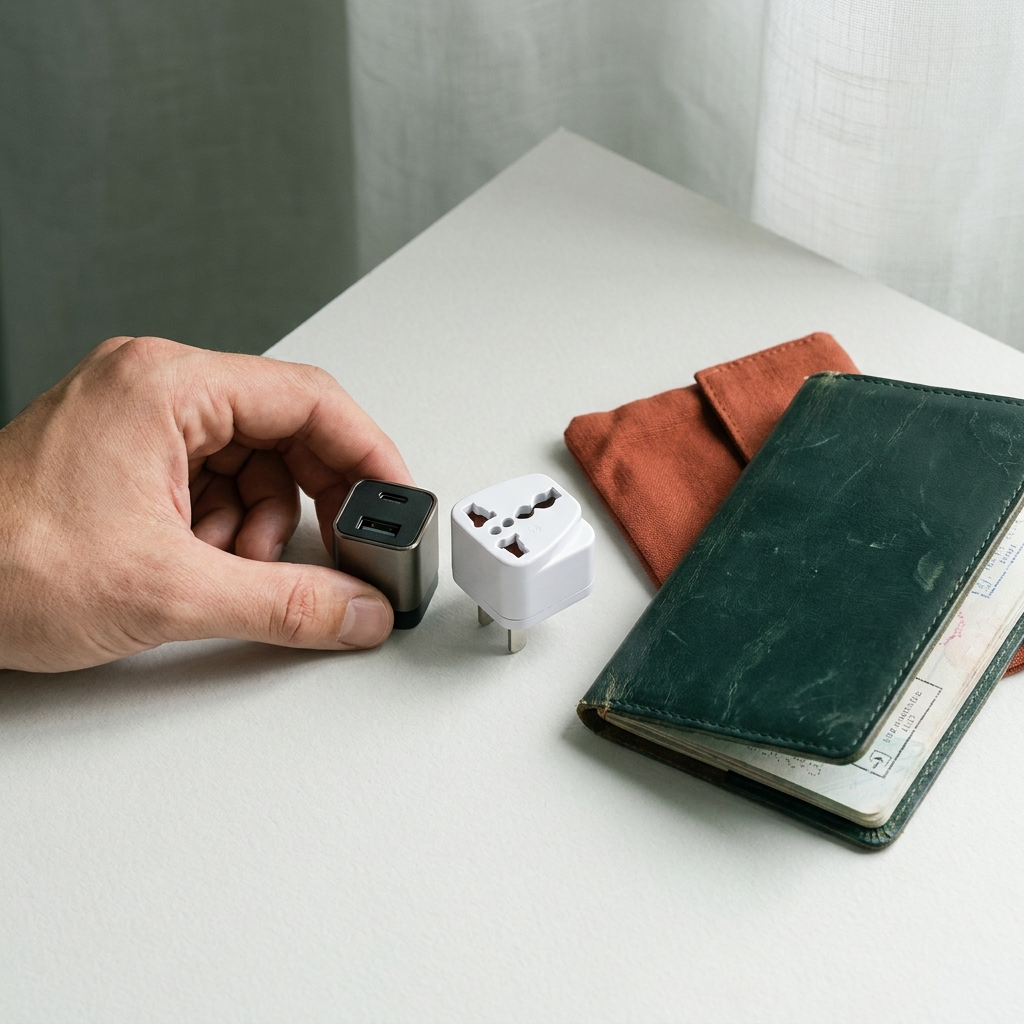
Do a quick label check now: find the tiny text on the charger body or the power brick and read the input line. If it says 100-240V 50/60Hz you can usually leave converters at home and just bring a travel plug adapter.
How modern phone chargers handle international voltage
Most phone USB power adapters sold by major manufacturers include internal switching power supplies that accept a wide input range, commonly written as 100-240V 50/60Hz. That means the adapter converts whatever mains voltage in that range down to the low-voltage DC used by the phone, and it tolerates both 50Hz and 60Hz mains frequencies About Apple USB power adapters.
Technically, the printed 100-240V range indicates the adapter 6s internal electronics include voltage conversion and regulation, so the unit can operate on both 110-120V and 220-240V systems without an external step-up or step-down converter. For a practical traveler, that makes most phone chargers effectively dual-voltage devices.
Use the charger input label and a country lookup to confirm mains voltage
Frequency differences between 50Hz and 60Hz rarely affect modern USB chargers because the internal power electronics are specified to accept both frequencies; this is why most labels read 50/60Hz. Frequency matters more for some older single-voltage appliances that rely on mains frequency for timing or motor speed, but for phone chargers it is usually not a practical concern Wall-plug power frequencies around the world.
When in doubt, rely on the printed input rating and the manufacturer guidance. OEM support pages for common phone makers explicitly state their power adapters are designed for international mains ranges, and that is the authoritative way to confirm compatibility before travel Charging your Samsung mobile device safely.

Travel adapter versus voltage converter: what each does and when to use them
travel adapter versus voltage converter
A travel plug adapter is a simple mechanical accessory that reconfigures the plug prongs so your charger fits the local outlet; it does not convert electrical voltage. A voltage converter or transformer actively changes the mains voltage level from, for example, 230V down to 120V or vice versa. Use the adapter to match the plug, and use a converter only when a device cannot accept the destination mains voltage.
For phones and most USB-powered devices, a travel adapter is the correct and lightweight choice when the charger is labeled 100-240V. Use a voltage converter only for single-voltage equipment rated, for example, 120V 60Hz that you must run in a 230V country; otherwise you risk damaging the device or creating a safety hazard, as explained by reputable electrical safety guidance Travel adaptors explained.
Converters come in two broad types: simple step-up/step-down converters that are small and intended for short-term use with heating appliances or items that draw a lot of power, and heavier transformers meant for longer or continuous use. Neither is necessary for modern phone chargers that already include voltage conversion on the adapter board.
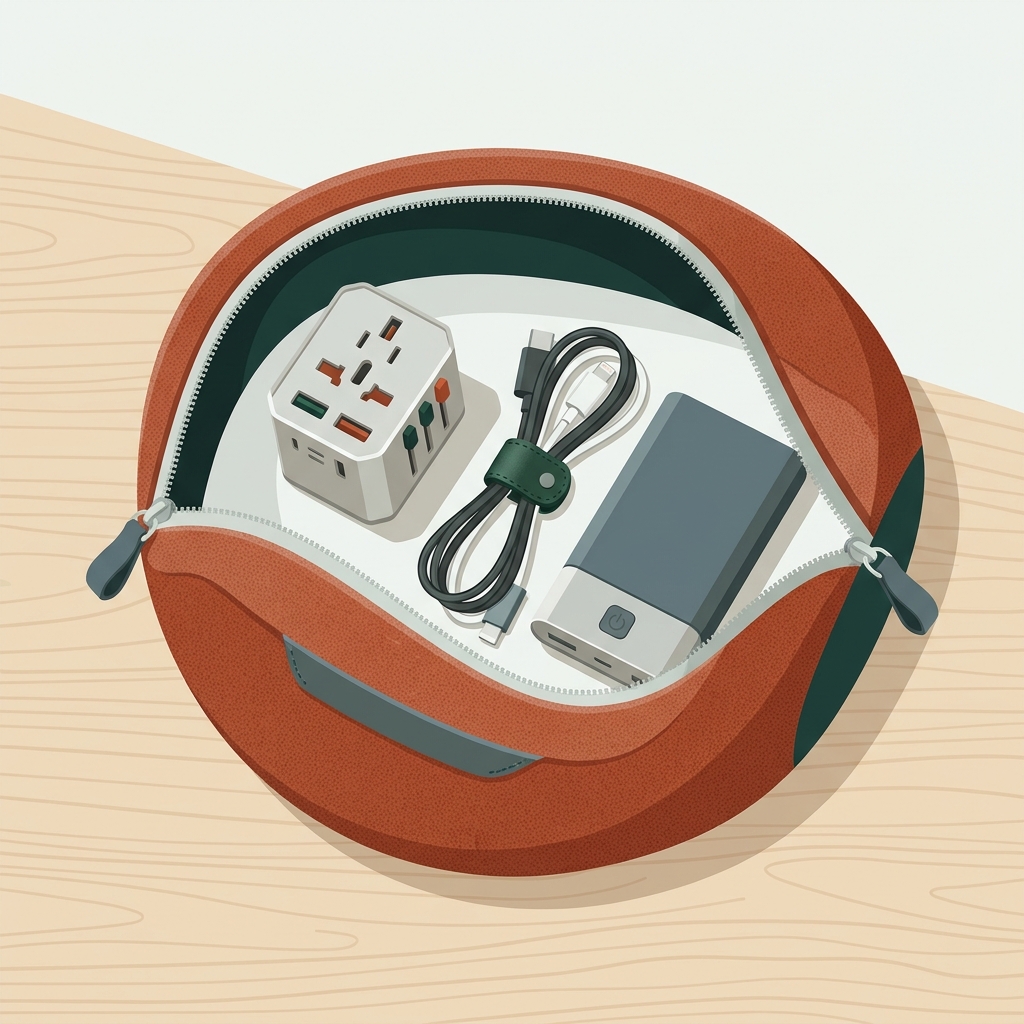
Some travelers carry an all-in-one travel device that combines a plug adapter with fused outlets and USB ports; that can be convenient for multi-device charging, but it still does not perform mains voltage conversion unless it is a dedicated converter product. If your device is single-voltage, choose a converter rated for the device 6s power draw and consult safety guidance rather than improvising a connection.
A simple checklist: how to tell whether your charger needs a converter
Step 1, find the charger input label. Look for the line that begins with Input or reads something like 100-240V ~ 50/60Hz. If you see a range that includes both 100 and 240 volts, the charger is dual-voltage and does not need a converter About Apple USB power adapters.
Step 2, verify the device type. Phones and most USB devices are low-power electronics with external adapters that accept a wide range of mains voltages. If the charger is dual-voltage you only need a plug adapter; if it lists a single voltage such as 120V 60Hz, plan for a converter or replace the charger with a dual-voltage model.
Step 3, pack a quality fused travel adapter. A fused adapter with shutters adds a layer of safety when moving between outlet types and is a compact alternative to heavy converters for charging phones and small electronics. Check hotel USB ports and available power strips, but do not assume every outlet has a working USB port.
Step 4, when you find a single-voltage device you must use abroad, consider two options: buy a replacement dual-voltage charger compatible with your device, or use a properly rated converter. For phones, replacing the wall adapter with a dual-voltage USB adapter is usually cheaper and lighter than carrying a converter.
Common mistakes and safety pitfalls travelers make
One frequent mistake is assuming that a plug adapter changes voltage. Travelers sometimes plug single-voltage appliances into a different mains and damage the appliance or create a fire risk; verifying input labels prevents this error Travel adaptors explained.
Another common misstep is packing a bulky converter just in case. Most modern chargers do not require one, and carrying a heavy converter adds unnecessary weight and complexity. Check labels first and only bring a converter if you have confirmed single-voltage devices that cannot be replaced.
Also avoid jury-rigging solutions like forcing plugs into outlets or using power strips without appropriate fusing. Prioritize a fused adapter with safety shutters and check local socket types before plugging in. National mains specifications differ, so confirm the destination voltage rather than assuming it matches your home country What voltage is the electricity supply?.
Country notes and practical scenarios: Europe, Japan and the US
Europe and the UK typically supply mains at around 230V 50Hz. Dual-voltage phone chargers labeled 100-240V will work safely there when used with the correct plug adapter to match the socket shape What voltage is the electricity supply?.
Japan uses 100V for its mains supply, with an unusual regional split of 50Hz in eastern areas and 60Hz in western areas. Because most modern phone chargers accept 50-60Hz and a wide voltage range, they will operate across Japan with the appropriate plug adapter What is the voltage and frequency in Japan?.
If you travel from the US, where many household items are single-voltage at 120V, be careful with non-electronic items such as hair tools, kitchen equipment or older appliances. For phones, replacing a single-voltage wall charger with a dual-voltage USB charger is often the simplest and safest route.
Practical scenario: you have a phone charger printed 100-240V and you are flying to London. Bring a small plug adapter for the UK sockets and a fused adapter or multiport USB hub if you have multiple devices, but you do not need a voltage converter. Conversely, if a camera battery charger states 120V only, use a converter or obtain a compatible charger before you plug it into 230V power.
When you are uncertain about a country 6s mains specifications, check an official or utility source for the destination before you travel and use the charger label as the final decision point. If replacing a charger is practical, a replacement USB adapter that explicitly supports 100-240V is a lightweight long-term solution.
Frequently asked questions
Do modern phone chargers need a voltage converter?
Most modern phone USB chargers marked 100-240V 50/60Hz do not need a voltage converter; a plug adapter is sufficient.
What should I check on my charger before travelling?
Find the input rating on the charger body: if it reads 100-240V 50/60Hz you only need a plug adapter; single-voltage markings mean you need a converter or replacement charger.
Does mains frequency matter for phone chargers?
Generally no, because most chargers accept 50-60Hz; frequency matters more for some motorized or timing-sensitive appliances.
Verify your charger input line and pack a quality fused plug adapter rather than a heavy converter unless you have single-voltage equipment that requires one. For phone charging, replacing a single-voltage wall brick with a dual-voltage USB adapter is often the best long-term solution. When in doubt, consult the charger label and an official country mains source before you plug in; that small check avoids damage and keeps charging simple while you travel.
References
- https://support.apple.com/en-us/HT202631
- https://www.ukpowernetworks.co.uk/electricity/what-voltage-is-the-electricity-supply
- https://www.tepco.co.jp/en/faq/voltage-e.html
- https://cabinandcarry.com/travel-accessories/travel-adapter-vs-converter
- https://cabinandcarry.com/resources
- https://cabinandcarry.com/tools/trip-planner