
Empty, inspect, clean according to the bag’s care instructions and let it dry before storage. Keep it in a suitable dry place without forcing the structure. Use the unpacking session to note repairs before the next departure.
Make the comparison that matters
| Check | What it changes | Your next step |
|---|---|---|
| Hidden compartments | Can retain small items and debris | Open and empty every section |
| Residual moisture | Can remain in lining and pockets | Allow the bag to dry fully |
| Load on the case | Can distort parts or compress contents | Avoid unsuitable weight above it |
| Wear items | Problems are easier to address early | Inspect wheels, handles and zips |
Unpack the small pockets too
Remove food, loose receipts, batteries and toiletries from every compartment. Check the liner seams and wheel recesses for debris. An item left in a hidden pocket can be the first unpleasant surprise before the next journey.
Follow the material’s care instructions
Use the bag manufacturer’s method for its shell, fabric and lining. Avoid saturating internal padding or using a household solvent because it appears to remove a mark. Test permitted cleaning methods discreetly. Allow the bag to dry fully before closing it or storing it inside another case.
Inspect the parts you depend on
Extend and retract the handle, operate the zips without force and check the wheels. Photograph damage and note the exact model if a repair is needed. Handling a repair while you have time is more useful than discovering a jammed wheel on departure morning.
Keep a simple kit together
Store a packing note, luggage tag and a small list of items to replace with the bag. Keep chargers and other electronics according to their own storage instructions rather than forgetting them in the case. Leave the next packing session with a clean empty bag, not a half-finished version of the last trip.
Before you spend
Follow the actual material’s cleaning instructions and avoid assuming that a machine wash, strong detergent or long soak suits the whole bag. Removable liners and fabric shells can have different care requirements. If nesting cases, check that the smaller case is clean and does not strain the larger one or press against delicate fittings. Keep any warranty or repair information easy to find separately.
A useful finishing check
It can save storage space if the cases fit without force and are clean and dry. Check that wheels, handles or hard corners do not press into the larger case’s lining or structure. Do not treat nesting as a reason to store damp or dirty equipment.
ILLUSTRATIVE EXAMPLE
Put it into practice
Instead of storing the case immediately after a wet journey, unpack it and check the pockets and lining. Once it is clean and dry, record a sticking wheel or damaged pull in your trip notes. That turns the next packing day into preparation rather than a rushed repair search.
Your next steps
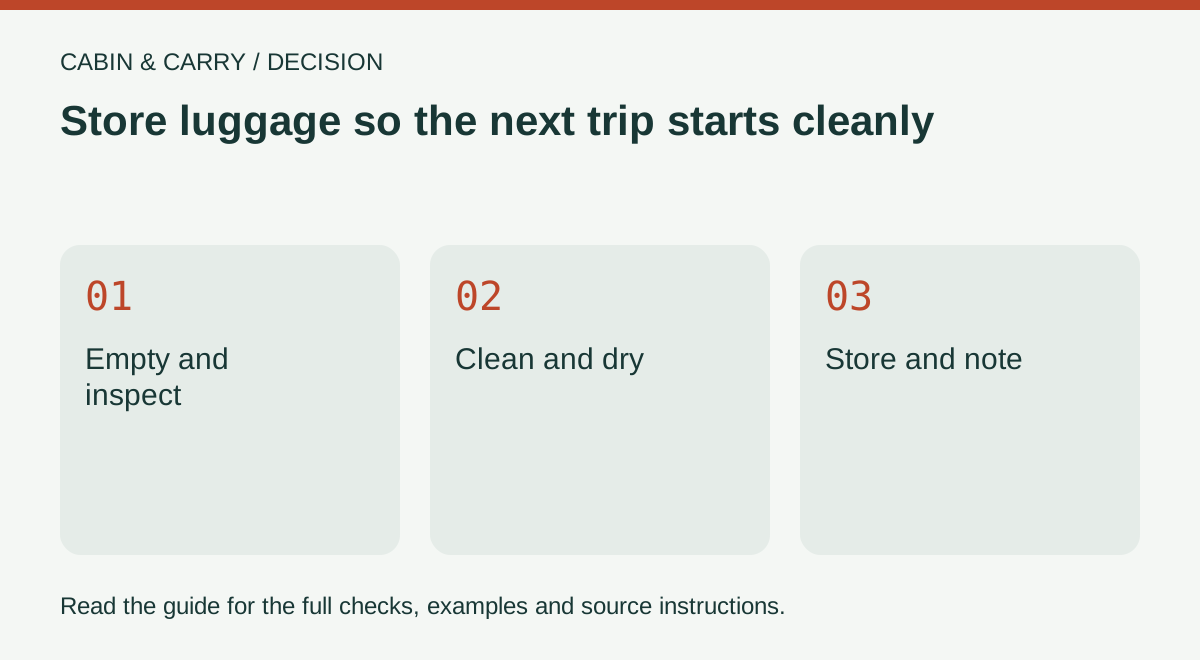
- Empty and inspect: open every compartment
- Clean and dry: follow material instructions
- Store and note: plan any needed repair
Questions that come up
Should I store a damp bag closed?
Let it dry fully according to the material’s care instructions first.
Should I leave toiletries packed?
Inspect and remove anything that can leak or expire. Rebuild that part of the list for the next journey.
Can I nest smaller suitcases inside a larger one?
It can save storage space if the cases fit without force and are clean and dry. Check that wheels, handles or hard corners do not press into the larger case’s lining or structure. Do not treat nesting as a reason to store damp or dirty equipment.
Sources and further reading
Source references for this edition, September 8, 2026. Recheck changeable rules and the exact product or vehicle instructions before acting.