
A personal item and a larger cabin bag are separate allowance categories on many airlines. Which ones you may bring depends on the fare. A backpack can fall into either category; the packed size and booking conditions decide.
Make the comparison that matters
| Check | What it changes | Your next step |
|---|---|---|
| Personal item | Often intended for underseat storage | Check its own size rule |
| Larger cabin bag | Usually a separate entitlement | Check whether included or purchased |
| Checked bag | Handled outside normal cabin storage | Read its separate limits and contents rules |
| Bag name | Does not set the allowance | Ignore generic approval labels |
Start with the storage location
A personal item usually goes beneath the seat in front of you. A larger cabin bag usually goes into an overhead compartment. A checked bag travels in the hold after bag drop or gate handling. Each category can have its own size and weight conditions.
The same weight does not mean the same service
An airline may sell a 10 kg checked bag and a 10 kg cabin allowance. The weight is similar but the journey through the airport is different. Read the full add-on name before paying, including where the bag must be handed over and whether another small bag remains included.
Use the itinerary as the checklist
Compare the outbound and return fares separately. If another airline operates a connection, follow the relevant rules for that segment. A bag included by the airline that sold the ticket may not describe every part of the journey; the booking and operating carrier provide the final detail.
Keep essentials easy to move
Pack with the possibility that an overhead bag needs to be checked. Items subject to cabin-only rules need to remain accessible for transfer. Check the airline and security authority for the specific contents you are carrying, particularly batteries, rather than applying a generic packing list to every trip.
Before you spend
Make a two-column list: what you are allowed to bring and what you plan to bring. Count each separate bag, including small handbags and accessories unless the airline explicitly exempts them. If you plan to nest a smaller bag inside another, check the fully packed exterior and access needs. A luggage trolley sleeve is a convenience feature, not permission for a second item.
A useful finishing check
Do not assume that it is. A handbag may use the personal-item allowance or need to fit inside an allowed bag, depending on the fare and airline. Check explicit exemptions in the source policy rather than inferring them from the size of the handbag.
ILLUSTRATIVE EXAMPLE
Put it into practice
A fare that includes one small personal item does not automatically include a suitcase as well. Buying a cabin-bag option may change the entitlement, but only its actual terms tell you whether a personal item remains included. Read the item count as well as the dimensions.
Your next steps
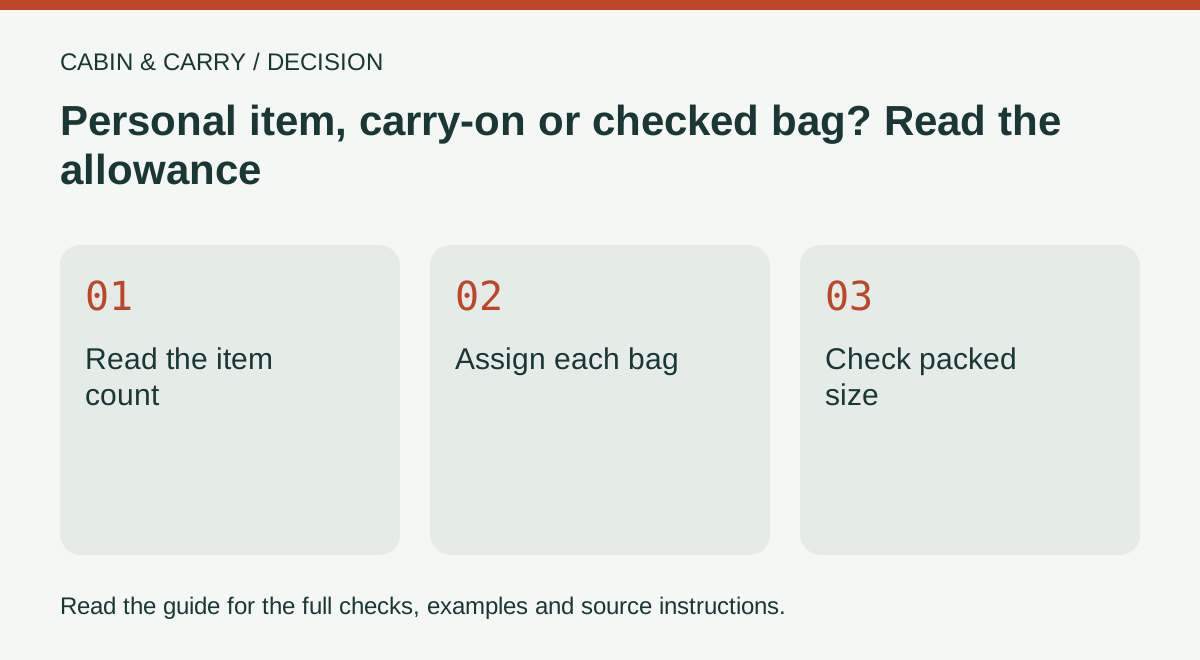
- Read the item count: separate each category
- Assign each bag: match it to an entitlement
- Check packed size: verify the complete load
Questions that come up
Does a handbag count as the personal item?
Usually it occupies that allowance unless the airline explicitly treats it as an exception. Check the exact bag count.
Can a checked-bag add-on be used as a cabin bag?
Do not assume so. Buy the category that matches where you intend the bag to travel.
Is a handbag always allowed in addition to my cabin bag?
Do not assume that it is. A handbag may use the personal-item allowance or need to fit inside an allowed bag, depending on the fare and airline. Check explicit exemptions in the source policy rather than inferring them from the size of the handbag.
Sources and further reading
Source references for this edition, September 8, 2026. Recheck changeable rules and the exact product or vehicle instructions before acting.