
The journal
What is the 5-4-3-2-1 rule when packing?
Use a flexible numbered wardrobe framework, adapt it to the journey and remember the essentials that clothing counts do not cover.
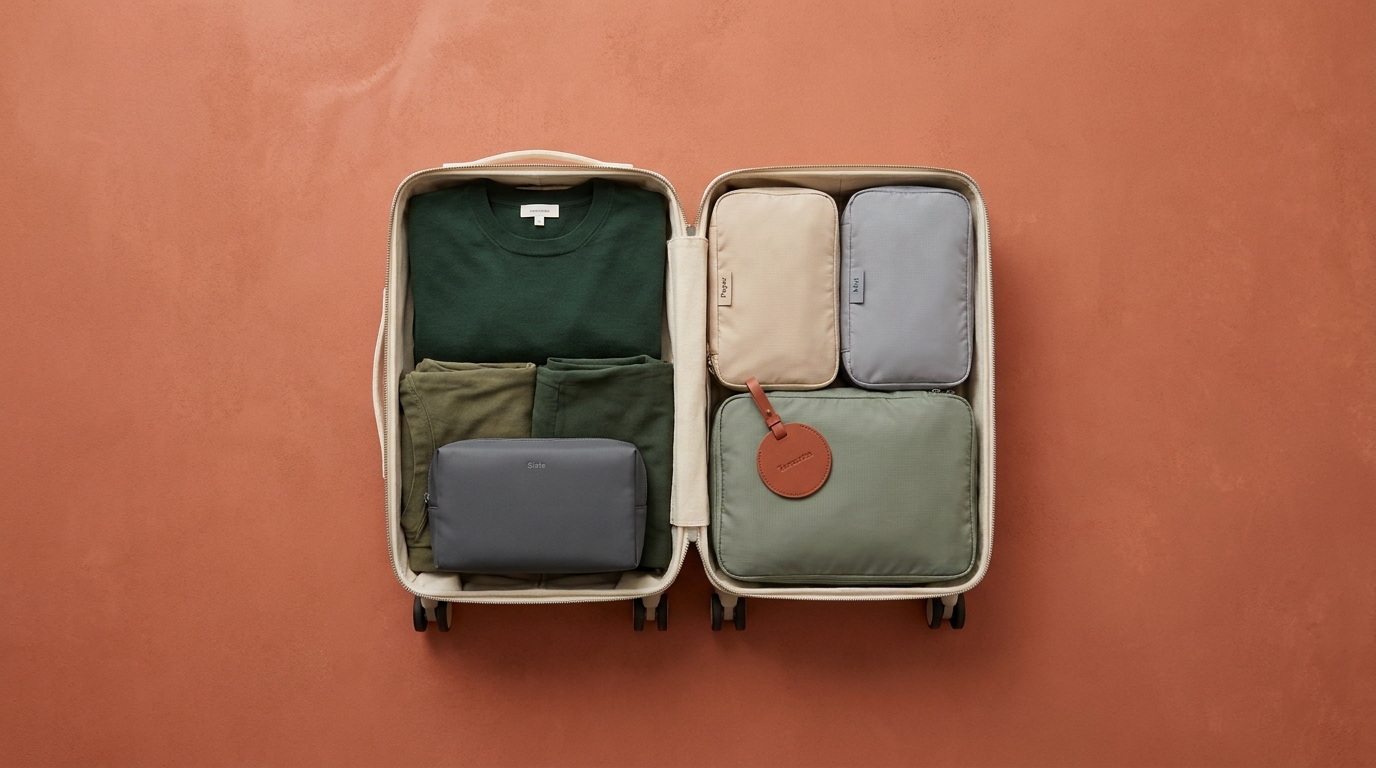
The 5-4-3-2-1 packing rule is an informal way to plan a small mix-and-match wardrobe. One version uses five tops, four bottoms, three pairs of shoes, two layers and one special item. It is a starting framework, not an airline rule, a complete checklist or a promise that every item will fit your bag.
Understand what the numbers mean
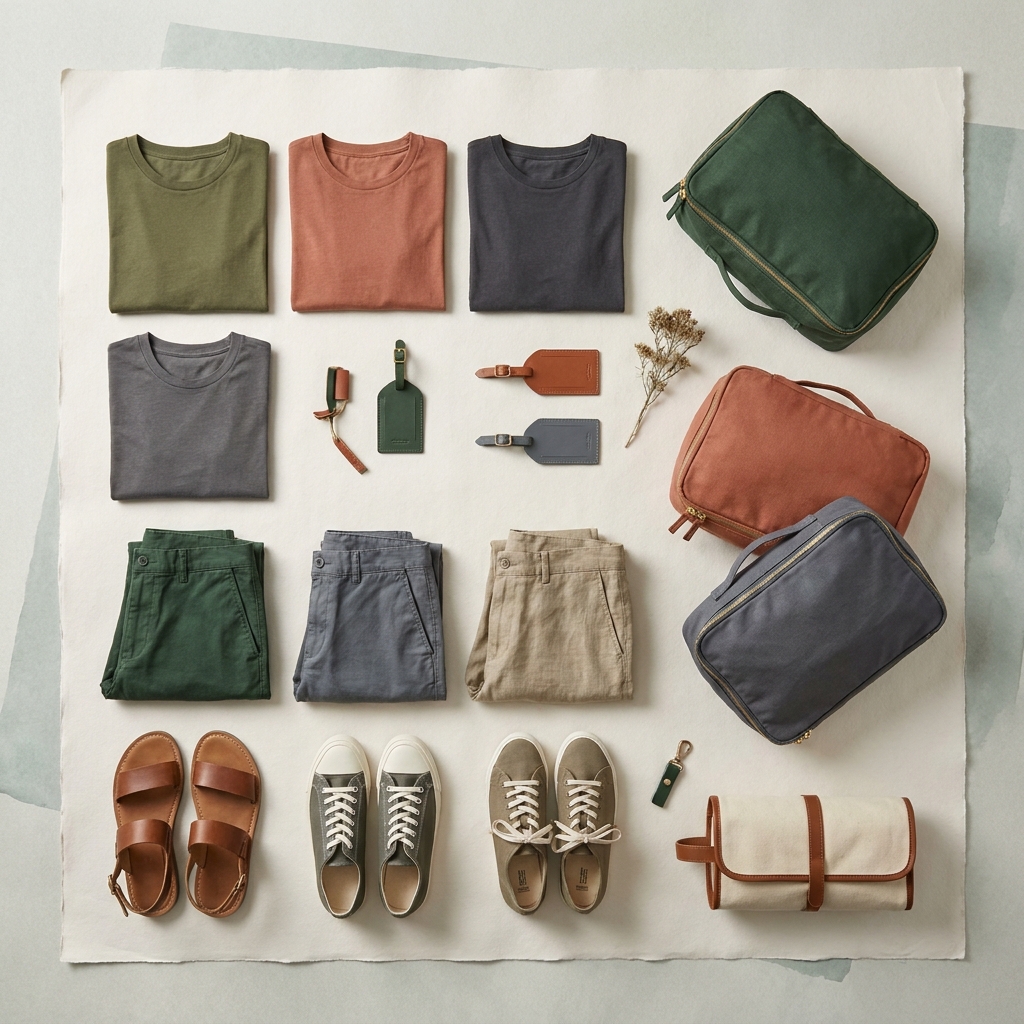
Travelpro’s published version uses those five clothing groups and explicitly allows changes for the destination and trip. Other versions swap categories. If someone recommends the method, check which version they mean before counting your belongings.
The useful idea is coordination: choose pieces that serve the activities you will actually do, rather than packing a separate full outfit for every possible occasion. A numbered list can prompt decisions, but it cannot establish that a wardrobe is suitable for cold weather, formal work or specialist activities.
Build the wardrobe around the journey
List the activities, weather exposure and dress requirements first. Put actual clothing beside the open bag and check which pieces work together. Do not keep an unnecessary third pair of shoes just because one version assigns the number three to footwear.
Include a plan for underwear, socks, sleepwear and any activity-specific kit, which are not fully described by the five headline groups. Toiletries, medication, documents and electronics need their own planning. A clothing mnemonic should not make essential non-clothing items disappear from the checklist.
Decide whether your count includes what you wear in transit, then use that convention consistently. The method has no official accounting rule; what matters for baggage is the actual bag you present and the carrier’s size and weight allowance.
Use an example to make choices, not fill a quota
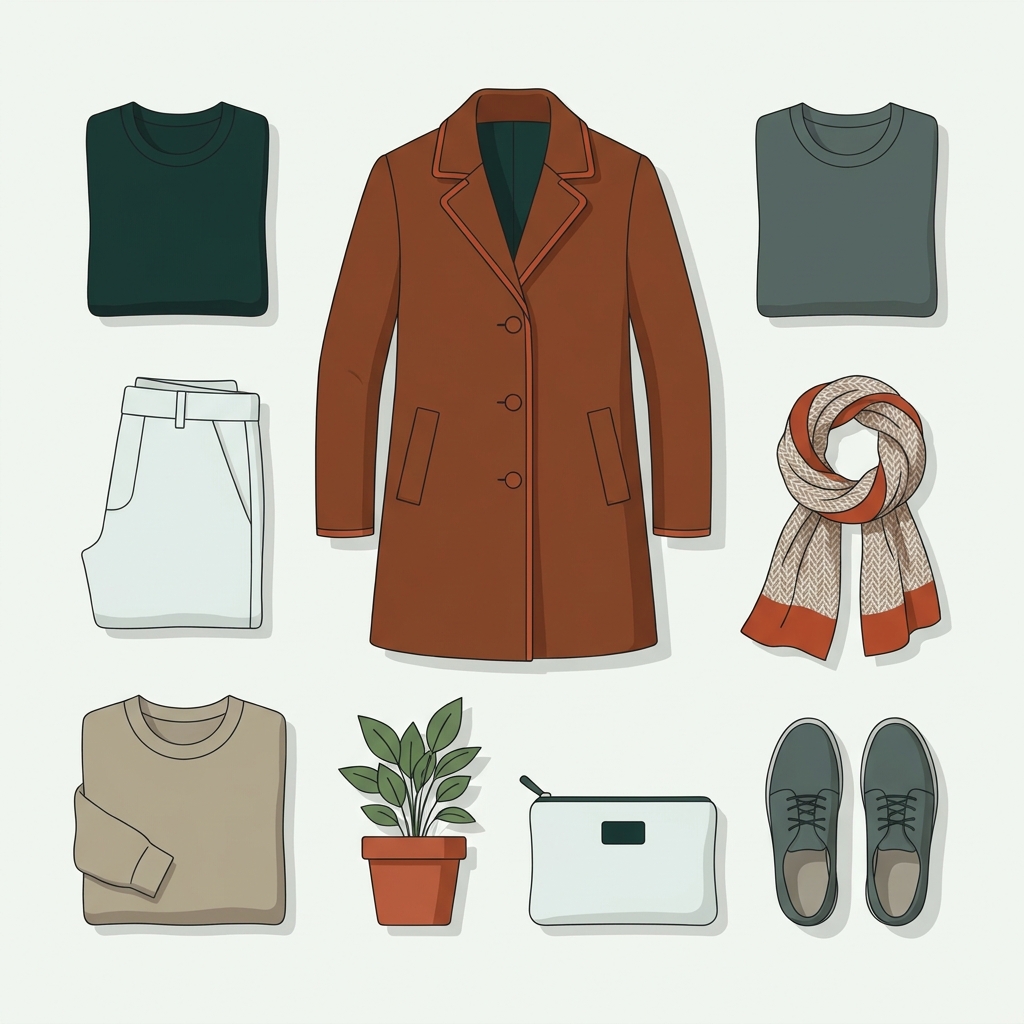
Suppose a traveller starts with five tops, four bottoms, three pairs of shoes, two layers and a scarf. After matching the items to the itinerary, the traveller sees that two pairs of shoes cover the planned activities and leaves the third behind. Another trip may need an additional warm layer or fewer bottoms.
Those are illustrative decisions, not a tested capacity for a carry-on or an instruction that this list lasts a particular number of days. Laundry access, drying time, climate and how often you change clothes all affect what you need. If washing is part of the plan, check that the clothes can actually dry in the available setting.
Pack the selected clothes without forcing the bag
Use cubes or separate sections if they help you find things, but leave room to repack during the trip. A compression cube can reduce bulk in suitable soft garments; it does not reduce their mass. See how compression packing cubes work before relying on one to solve an overfull bag.
Give structured shirts or delicate pieces a suitable fold and protection rather than treating every garment as a tight roll. Our shirt-folding guide covers that separate task. For washing between wears, use the care label alongside our sink-laundry guide.
Adapt the 5-4-3-2-1 idea to your trip

A useful next step
For a long-haul trip, packing fewer clothes is separate from planning your sleep schedule. Jet lag: shift your sleep before you fly.
Related guides
Optional equipment for this guide
Use the wardrobe list as a starting point for your own trip. A cube is optional if it helps you keep that small selection organized.
As an Amazon Associate I earn from qualifying purchases. These are researched options, not hands-on test results. Check the exact size or model, current price and availability on Amazon.
| Product option | Fit and limits to check | Retailer |
|---|---|---|
| Product imageEagle Creek Pack-It Reveal, medium cube | A medium packing cube for grouping a small planned wardrobe. Check the bag fit and actual packed weight; the cube does not make the 5-4-3-2-1 list an airline allowance. | View on Amazon |