
The journal
What can I put on my luggage to make it stand out?
Use a distinctive, securely attached tag or handle wrap, keep the airline barcode visible and add a private backup contact card inside. A tracker is optional and does not guarantee recovery.
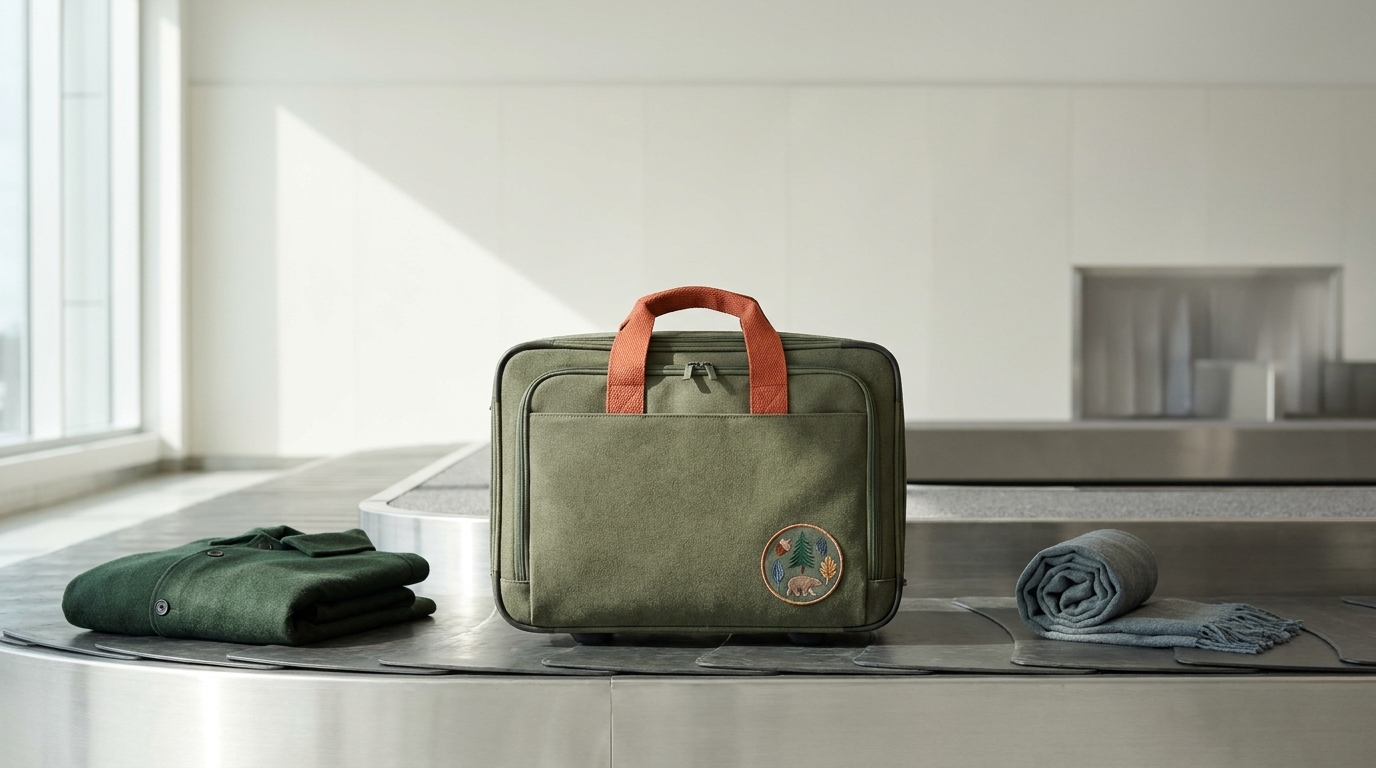
Use bold, removable identifiers that are easy to spot and hard to lose: a bright luggage tag, a distinctive handle wrap, a wide luggage strap, and a backup ID card inside the case. A compatible tracker is optional; it does not replace the airline’s baggage tag. Keep sensitive information off the outside of your luggage and leave space for the airline’s barcode tag to be attached and visible (Travelpro blog: luggage tags; Delsey guide: how to tag luggage).
Fast ways to make your bag unmistakable
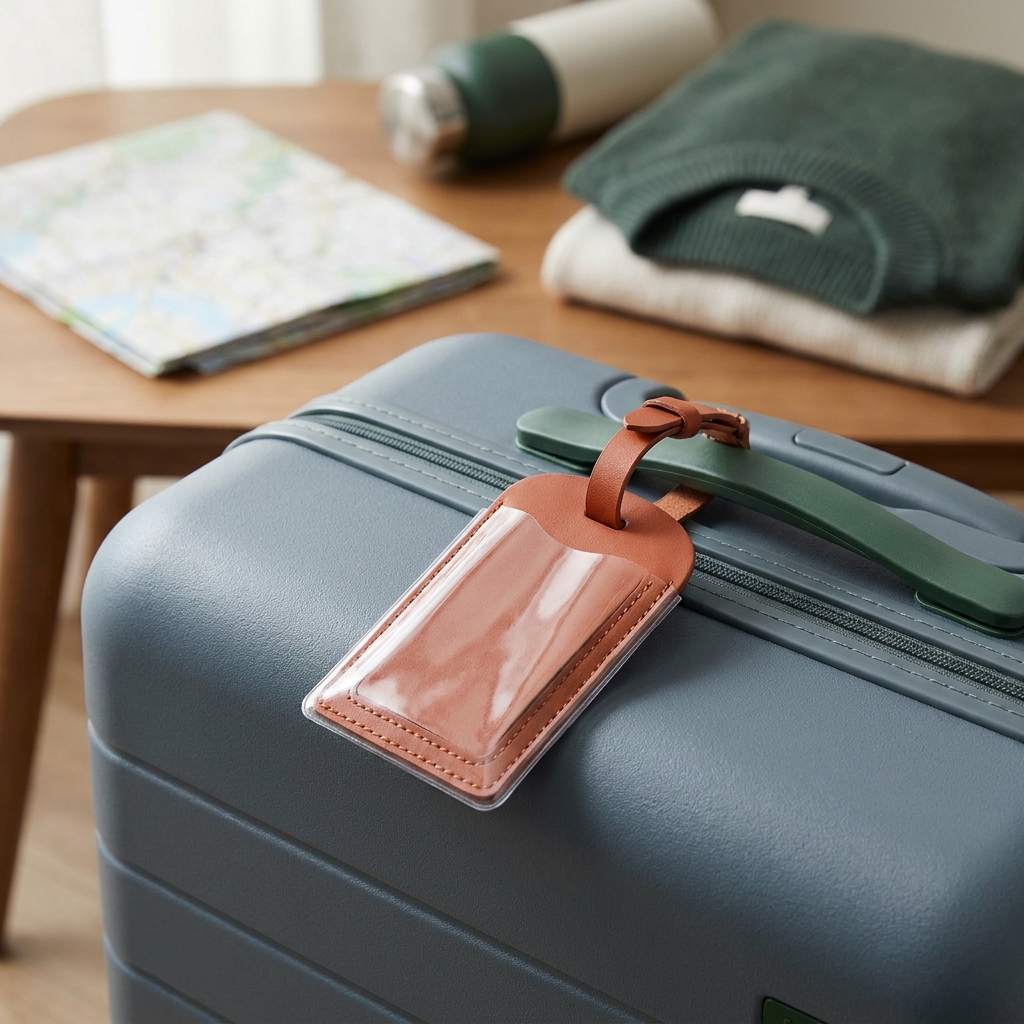
- Bright luggage tag with clear contact info. A vivid color or high-contrast pattern stands out in a sea of black bags (Travelpro blog: luggage tags).
- Handle wrap. A colored wrap around the main handle is visible from multiple angles and moves with the bag (Travelpro blog: luggage tags).
- Wide luggage strap. A bright, patterned strap around the case is highly visible and may add another closure layer, but is not a guarantee against the bag opening (Are luggage straps allowed? What they’re for and how to use one).
- Simple, bold identifiers on hard cases. Stickers or patches can be effective; choose a few large, distinctive shapes so your bag is recognizable at a glance (Delsey guide: how to tag luggage).
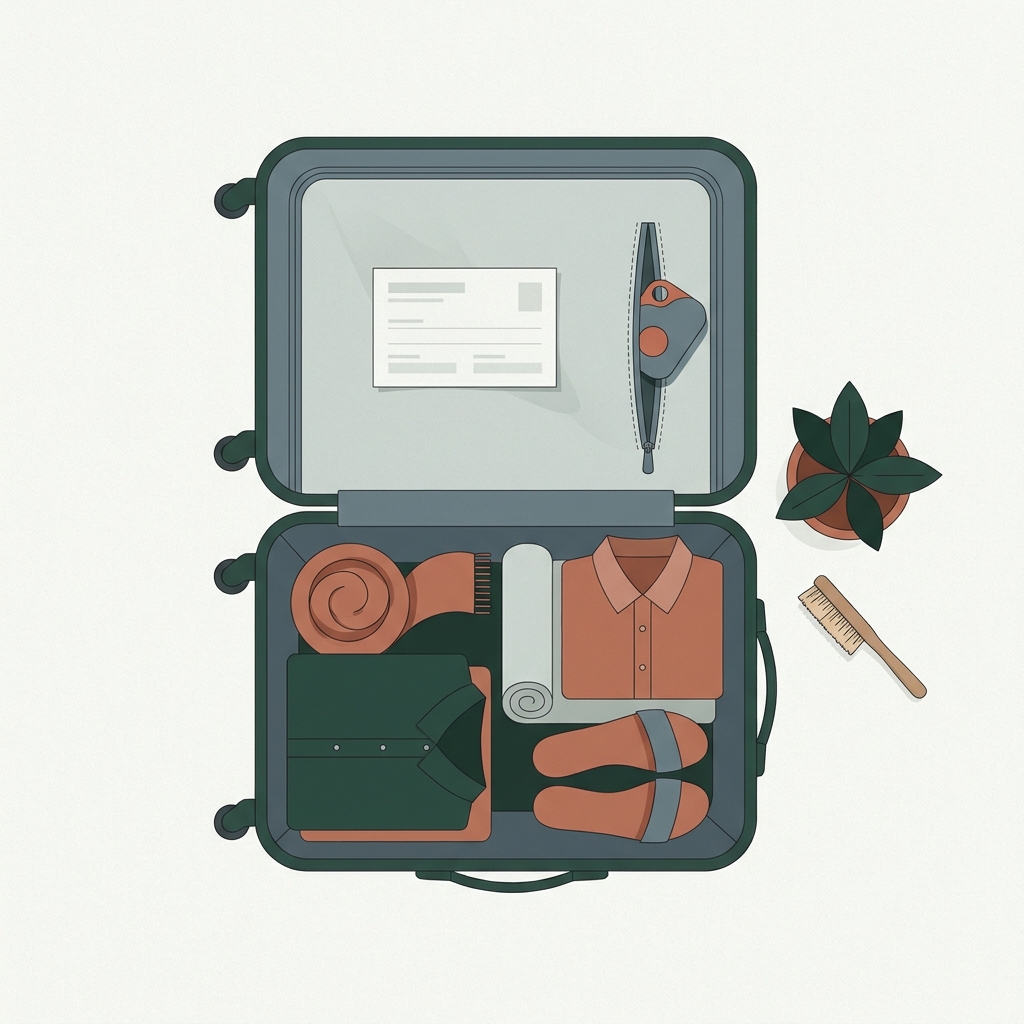
- Interior ID card as a backup. If the outer tag is lost, staff can still identify your bag (Delsey guide: how to tag luggage; Travelpro blog: luggage tags).
What to put on your tag (and what to leave off)
Your goal is quick reunification without oversharing. Both sources recommend limiting outside tags to basic contact details and using an interior card for anything more specific.
Good to include on the outside
- Full name
- Phone number with country code
- Email address
Optional on an inside card: destination hotel or itinerary, and a home address if you want a return-to address kept out of view (Travelpro blog: luggage tags; Delsey guide: how to tag luggage).
Best to avoid on the outside
- Passport or other ID numbers
- Social Security numbers or work credentials
- Flight details or boarding pass info
These details can expose your travel plans and personal data without improving bag recovery (Delsey guide: how to tag luggage; What not to put on a luggage tag (and what to write instead)).
Use a tracker for extra assurance
Placing a small Bluetooth tracker (such as an Apple AirTag or Tile) inside the bag may provide location information when its system can detect it; updates and recovery are not guaranteed. Follow the tracker maker’s setup and the airline’s current device and battery guidance; keep it accessible in an appropriate pocket (Delsey guide: how to tag luggage; Travelpro blog: luggage tags).
Placement and attachment tips
- Attach the main tag to the top handle using a sturdy loop, cable, or belt-style strap so it stays put in transit (Travelpro blog: luggage tags; Delsey guide: how to tag luggage).
- Avoid attaching a tag to parts that can detach or snag. Keep ribbons or add-ons short and secure (Travelpro blog: luggage tags).
- Leave room for the airline’s printed barcode tag and ensure it’s attached and legible at check-in. Don’t cover or remove it during your journey (Delsey guide: how to tag luggage).
- Place a duplicate ID card or printed label inside the suitcase as a backup (Delsey guide: how to tag luggage; Travelpro blog: luggage tags).
Between trips: keep it simple for storage at home
If you prefer a clean look in your closet, choose removable identifiers like a handle wrap, an exterior tag, and a strap. You can take them off before long-term storage and reattach them for your next trip. This keeps your suitcase tidy at home while still giving you fast, distinctive markers when you travel.
Put this into practice
Choose one distinctive, securely attached identifier that does not obscure handling features. Keep personal contact details appropriately limited and avoid adding loose parts that can catch on equipment.
Make-your-bag-stand-out checklist
Related reading from Cabin & Carry
- Are luggage straps allowed? What they’re for and how to use one
- What not to put on a luggage tag (and what to write instead)
Quick FAQ
Do I need to put my home address on the outside? No. Both sources suggest putting sensitive details like your home address on an interior card instead of an exterior tag (Travelpro blog: luggage tags; Delsey guide: how to tag luggage).
Where is the best place to attach the tag? The top handle, secured with a sturdy loop, cable, or buckle, so it’s visible and less likely to be torn off (Travelpro blog: luggage tags).
