
The journal
Can TSA-approved locks be opened by TSA?
Yes. In the U.S., TSA officers can open and relock TSA-accepted locks with special tools so bags can be inspected without cutting the lock.
Yes. In the United States, TSA-accepted locks are designed so Transportation Security Administration officers can open them with a special tool (often called a master key) to inspect a checked bag and then relock it without destroying the lock. If a bag needs inspection and you used a non‑TSA lock, security may cut or break that lock to gain access Travel Sentry Travel Sentry myths guide Master Lock support.
What “TSA-approved” really means
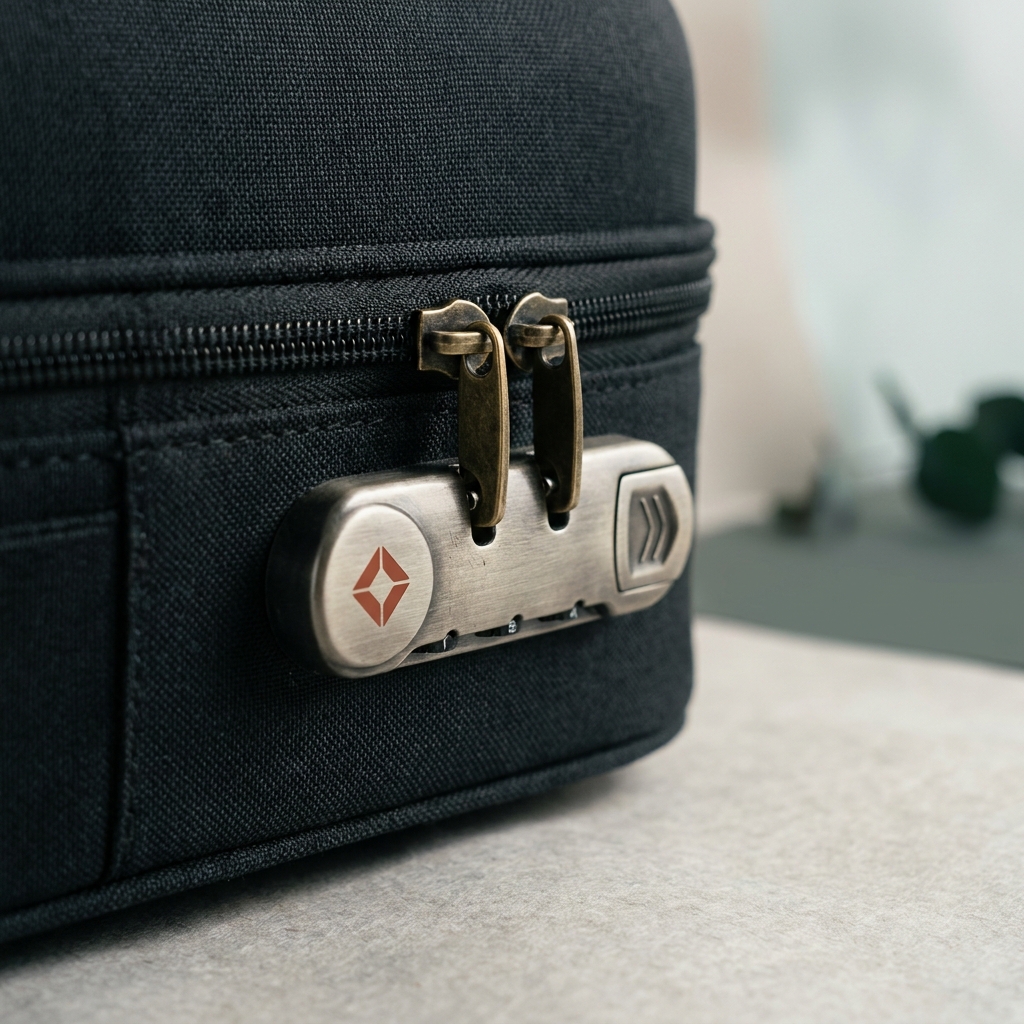
A TSA-accepted lock is a luggage lock that TSA can open with its specialist tool during screening and then close again. Locks are typically identified by the red Travel Sentry diamond logo, and they come as integrated suitcase locks or external padlocks/cable locks in combination or keyed styles Travel Sentry Master Lock support.
How TSA opens and relocks these locks
The role of the master key
During checked-bag screening, if a physical inspection is required, officers use the program’s master-keyed tool to unlock TSA-accepted locks, inspect contents, and relock the bag so you aren’t left with a cut lock Travel Sentry Master Lock support.
When can a lock be cut?
If your checked bag is selected for inspection and it has a non‑TSA lock, security may cut or otherwise break that lock to access the bag. Using a TSA-accepted lock is intended to allow access without destructive entry, but it does not prevent inspection or guarantee a damage-free result. An accepted lock may still be cut if it cannot be opened when access is required Travel Sentry myths guide.
Limits and misconceptions
- Not theft-proof: TSA-accepted locks deter casual tampering but do not stop determined theft; treat them as one layer of security, not a guarantee Travel Sentry myths guide.
- Jurisdiction: “TSA-approved” refers to U.S. airport security access. Other countries may recognize these locks, but always follow local airport security rules at your departure and transit points Travel Sentry.
- Unrelated to airline bag rules: Lock acceptance has nothing to do with your airline’s size, weight or fee policies.
How to choose and check a TSA-accepted lock
- Identification: Look for the red Travel Sentry diamond on the lock or integrated latch before you buy or travel Travel Sentry.
- Type: Pick between built-in suitcase locks or external padlocks/cable locks; both exist in keyed and resettable-combination versions Travel Sentry.
- Function check: Before heading to the airport, verify the lock opens and relocks smoothly with your code or key; replace any lock that sticks or shows damage.
Quick pre-trip lock check
After an inspection: what to do
- Check the lock and zippers for damage or misalignment and ensure the lock still opens with your code/key. If it no longer functions, replace it before your next trip Master Lock support.
- If you find damage to your bag, photograph it and contact the airline baggage service promptly after arrival for guidance on claims. For practical steps, see our guide: Will airlines cover damage to luggage wheels?
Related reading from Cabin & Carry

FAQ
Can TSA open TSA-approved locks without destroying them?
Yes. That is the purpose of a TSA-accepted lock: officers can unlock with a master tool and relock it after inspection Travel Sentry Master Lock support.
Does using a TSA lock mean my bag won’t be opened?
No. It only means security can open it without cutting the lock if an inspection is needed. It does not prevent inspection or guarantee against theft Travel Sentry myths guide.