
The journal
Is it better to roll or fold clothes in a compression packing cube?
Roll or fold according to the actual garments and cube. Compare the same contents, avoid forcing the closure and check crease-prone items rather than expecting one universal best method.
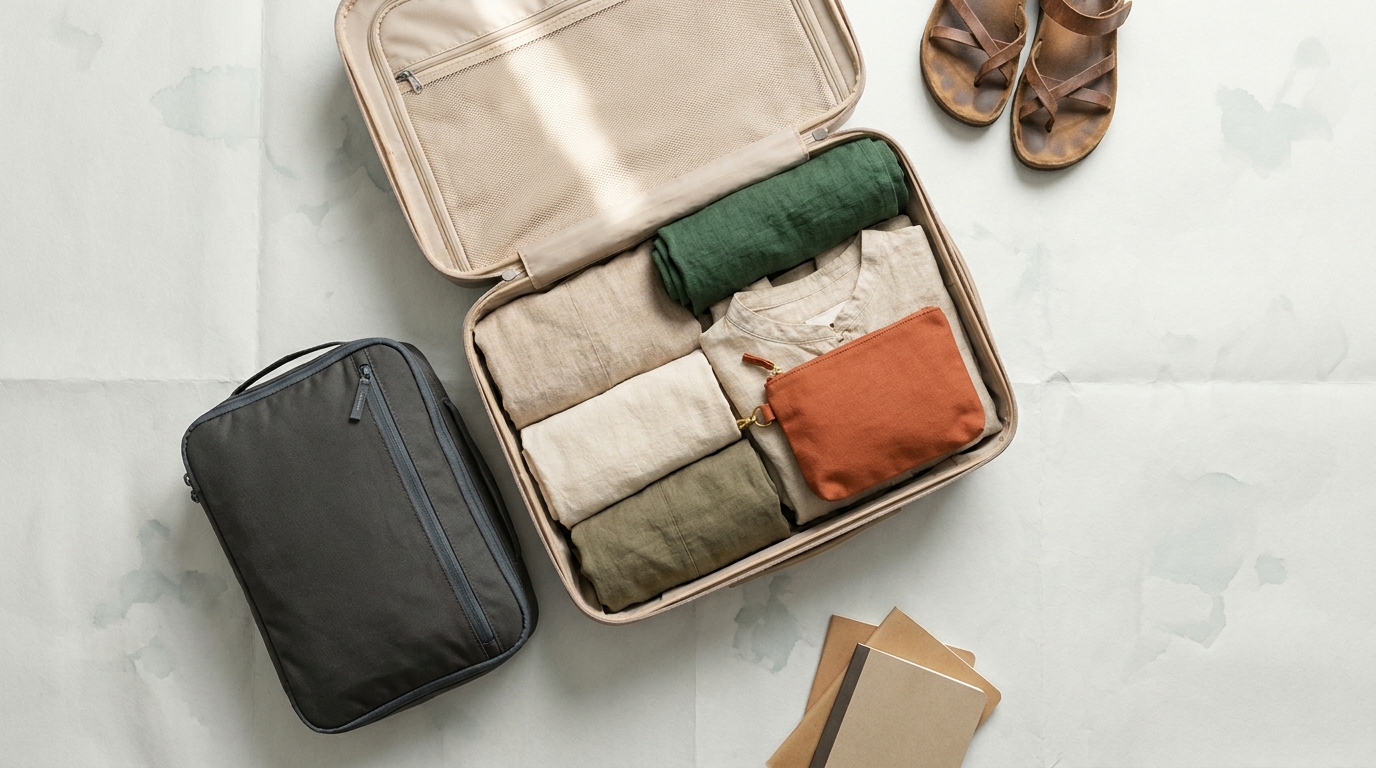
Try rolling soft, flexible garments and folding items whose shape you want to preserve. Neither method is best for every fabric or cube. The useful test is whether your actual clothes fit evenly, the closure works without force and the garments come out in an acceptable condition.
Start with the clothes, then the cube
Travelpro’s packing-cube guide distinguishes organisation from compressing soft clothing and cautions about crease-prone garments. A compression closure changes volume, not the mass of the clothes. Check the packed case’s weight even when everything fits neatly.
Sort a small batch before packing. A soft T-shirt may roll into an accessible bundle; a structured shirt may be easier to keep flat. A garment’s care instructions and your acceptable level of creasing matter more than a rule that every item must be rolled.
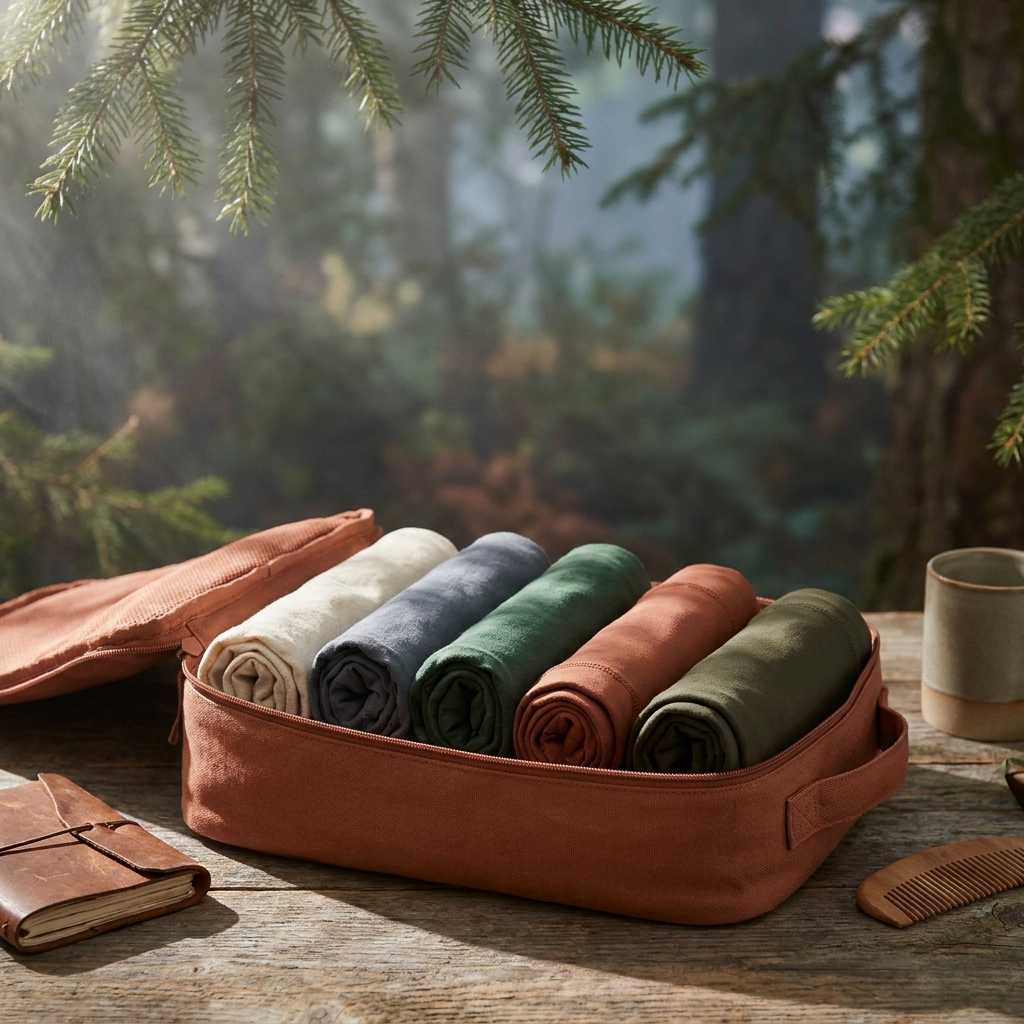
Try rolling without forcing the closure
- Lay the item flat and smooth it. Fold sleeves or loose edges inward so the roll is reasonably even.
- Roll the garment and place it beside similar-sized items rather than building one high mound.
- Close the main compartment using the maker’s sequence. Keep fabric out of the zipper path.
- Close the compression section gradually. If it strains, remove an item rather than pulling harder.
This is a packing trial, not a promise that rolling prevents wrinkles. Unpack one sample garment and check the result before using the method for clothes that must look presentable immediately.
Try folding when shape and access matter
Fold the garment to the usable width of the cube, smoothing bulky overlaps. A flatter stack can make sense for a shirt or trousers, but repeated folds and firm compression can still leave creases. If that is unacceptable, consider a less compressed organiser or the garment’s recommended transport method.
A hybrid setup is also reasonable: one folded stack and a few rolled soft items, arranged without a hard bulge. It is an example to test, not a specified capacity for a “medium” cube. Cube dimensions and garment sizes vary.
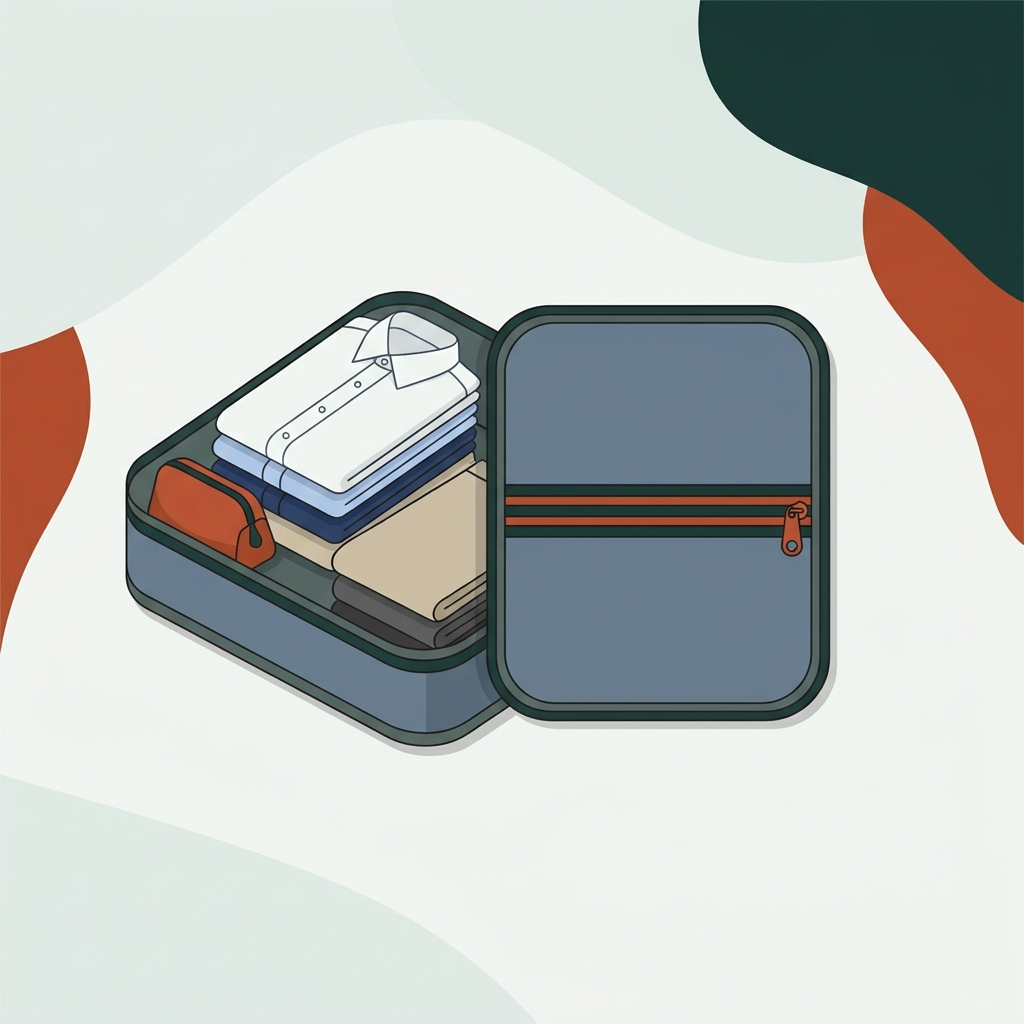
Compare with the same contents
Pack the same small clothing list first by rolling, then by folding. Compare closure effort, access and the condition of the clothes. Do not add extra garments to one version and call the result a fair space comparison.
Keep a note of what worked for the actual trip: which cube held the items, whether a shirt needed attention after unpacking and whether the loaded bag remained within its allowance. Compression cannot reduce the items’ weight, and a flattened cube does not certify the external dimensions of the filled suitcase.
Put this into practice
Try one packing method with the garments you actually take and inspect the result after unpacking. Keep the load and cube the same so you can judge wrinkles and access rather than changing every variable at once.
Test your packing method

Optional equipment for this guide
Compare an ordinary cube with a compression design using the same clothing. Check the exact external dimensions and loaded weight; less volume is not less mass.
As an Amazon Associate I earn from qualifying purchases. These are researched options, not hands-on test results. Check the exact size or model, current price and availability on Amazon.
| Product option | Fit and limits to check | Retailer |
|---|---|---|
| Product imageEagle Creek Pack-It Reveal, medium cube | A packing-cube option for separating clothing inside a bag. Compare the cube’s dimensions with usable bag space; it does not increase baggage allowance. | View on Amazon |
| Product imagePeak Design Packing Cube, medium Charcoal | A compression-cube candidate for dividing clean and used clothing. Check the exact size and packed weight; compression saves space, not mass. | View on Amazon |